If you’ve never gone through a metal roof installation before, there’s a lot happening behind a single line item on a quote, material selection, permitting, contractor vetting, timeline expectations, and a handful of decisions most homeowners have never had to think through before. This guide walks through the practical side of the process, what to actually know and do before you commit, so you’re going in prepared rather than learning as you go.
If you’re ready to start this process for your own home, Pecan Metal Roofs offers free inspections and honest guidance for homeowners across Austin, TX.
Start With Why You’re Actually Considering Metal
Before getting into the practical steps, it’s worth being clear with yourself about what’s actually driving the decision, since this shapes several choices down the line. Are you replacing a roof that’s failing or aging out? Dealing with repeated hail damage on your current asphalt roof? Building new and choosing between materials from the start? Each starting point leads to slightly different priorities in the decisions ahead.
Understand the Real Cost Before You Start Getting Quotes
Metal roofing costs meaningfully more upfront than asphalt shingles, typically about two to two and a half times as much depending on the specific system chosen. Going into your first conversations with contractors already understanding this range means you won’t be caught off guard by the first quote, and you can focus the conversation on what’s actually driving the specific number for your home rather than being surprised by the general price category itself.
It’s also worth understanding that “metal roofing” isn’t one price point. Standing seam costs more than exposed fastener panel systems, and both cost more or less depending on gauge, coating quality, and your roof’s specific complexity. Walking into your first quote conversation with this general understanding helps you ask better, more specific questions.
Choose the Right Panel System for Your Situation
Three main systems dominate residential metal roofing, and each fits different priorities.
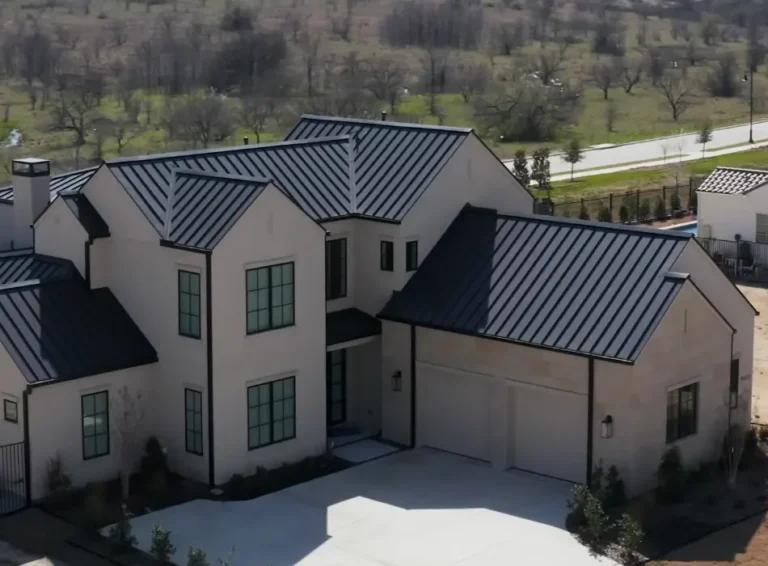
Standing seam offers concealed fasteners, the longest lifespan (50 to 75 years), the lowest ongoing maintenance, and a clean, modern appearance. It costs the most upfront, making it the strongest fit for homeowners planning long-term ownership.
Exposed fastener or corrugated panels cost less upfront and suit a more traditional or rustic aesthetic, common on ranch, farmhouse style homes, and outbuildings. These require more regular fastener maintenance over the roof’s life and typically last 20 to 30 years.
Stone coated steel combines steel durability with an appearance that mimics traditional shingle or tile roofing, a strong choice for homeowners in HOA-restricted neighborhoods with design guidelines that call for a more traditional look.
Understanding which system actually fits your budget, timeline, and home’s architectural style before your first contractor conversation helps that conversation stay focused and productive.
Find a Contractor Who Actually Specializes in Metal
This is one of the most important, and most often overlooked, steps in the entire process. Metal roofing is a genuinely different trade from asphalt shingle work, standing seam panels are often custom fabricated on site, and flashing detail requires different technique and judgment than laying a shingle course. A general roofing contractor who occasionally installs metal isn’t bringing the same depth of specific experience as a contractor who works in metal roofing exclusively.
When vetting a contractor, it’s worth asking directly how much of their business is metal roofing specifically versus a broader mix of materials, and how they handle the specific technical points that distinguish good metal roofing installation, flashing detail, fastener spacing, and panel fabrication accuracy.
Understand What a Real Inspection and Estimate Should Include
A legitimate estimate starts with an actual in-person inspection of your roof, not a guess based on satellite imagery or a phone conversation. During this inspection, a qualified contractor should check your existing decking condition, discuss panel system and gauge options relevant to your home, and walk through what’s actually driving your specific price, rather than handing you a single, unexplained number.
A written, itemized estimate, separating material and labor costs and clearly stating what’s included, gives you something concrete to reference and compare against other quotes, rather than trying to remember and compare verbal numbers from memory.
Know That Decking Condition Is Often Unknown Until Tear Off
If you’re replacing an existing roof, it’s worth understanding upfront that your decking’s true condition often can’t be fully assessed until the old roofing material is actually removed. A reasonable estimate should account for this with a stated allowance for decking repair, and your contractor should have a clear, written process for how discovered issues beyond that allowance get communicated and approved before additional work happens, not billed as a surprise on your final invoice.
Factor Permitting Into Your Timeline
Full metal roof installations in Austin require a building permit through the City of Austin’s Development Services Department. This isn’t optional, and skipping it, or working with a contractor who doesn’t handle it properly, can create real problems later, including issues at resale if unpermitted work is discovered. A contractor who specializes in residential metal roofing should handle this permit application and the required inspection directly, as a standard part of the project, not something you need to navigate yourself.
Understand the Real Installation Timeline
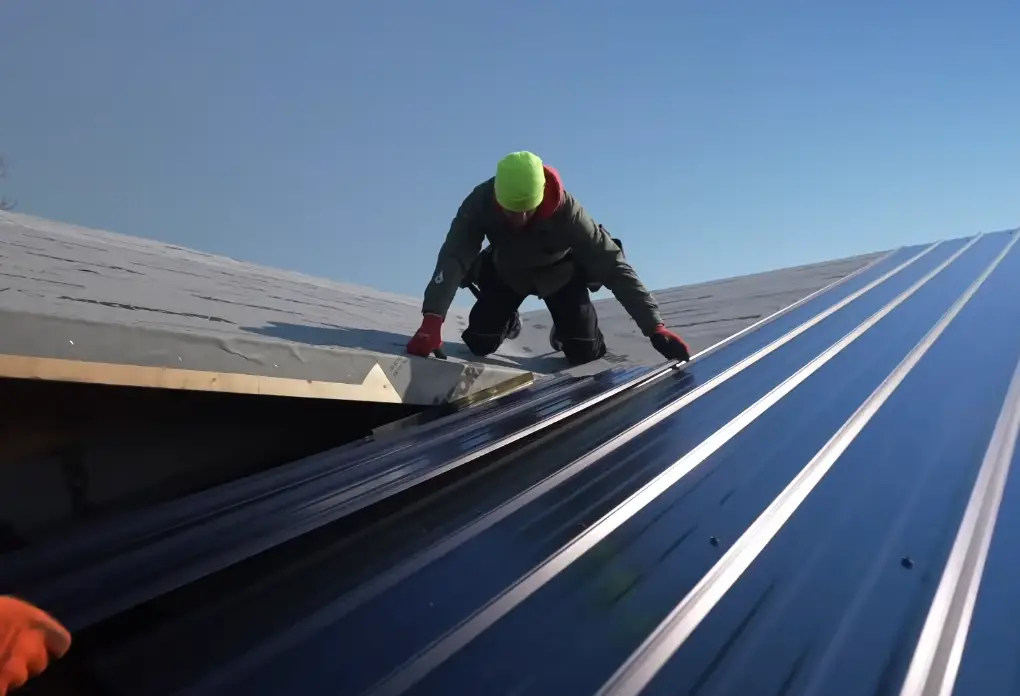
Most residential metal roof installations take three to seven days once work actually begins, depending on roof size and complexity. This doesn’t include the time before installation starts, scheduling, permitting, and material lead time, which can add additional weeks depending on your specific contractor’s current workload and the panel system you’ve chosen, particularly if custom fabrication is involved.
Building a realistic overall timeline expectation, not just the installation days themselves, helps avoid frustration if the full process takes longer than you initially assumed.
Ask About Warranty Coverage, Both Kinds
Metal roofing typically involves two separate types of warranty coverage, worth understanding as distinct from each other. A manufacturer material warranty covers the panels themselves against defects, independent of who installed them. A workmanship warranty, provided by your contractor, covers the quality of the actual installation. Ask for both in writing before committing to a contractor, since a strong material warranty from the manufacturer doesn’t protect you against installation-related issues if your contractor doesn’t separately stand behind their own work.
Consider Your HOA’s Design Guidelines Early, Not After You’ve Chosen a Color
If you’re in a neighborhood with homeowners association design guidelines, checking your community’s approved roofing colors and materials before falling in love with a specific look saves real frustration later. Some communities have specific requirements that go beyond color, sometimes effectively requiring a shingle or tile appearance, which may steer your decision toward stone coated steel rather than traditional standing seam. Getting HOA approval, if required, is worth building into your project timeline from the start.
Think About Solar Now, Even If You’re Not Ready for It Yet
If solar is a possibility for your home, even a distant one, it’s worth mentioning during your roofing consultation. Standing seam specifically offers a real advantage for future solar installation, since mounting clamps attach directly to the raised seams without requiring new penetrations into the roof. This is worth factoring into your panel system decision even if you’re not planning to install solar immediately.
Understand How This Affects Your Homeowner’s Insurance
A new metal roof can affect your insurance in a few ways worth understanding. Some carriers offer premium discounts for the improved impact resistance and fire rating metal roofing provides, worth asking your insurance provider about directly once your new roof is installed. It’s also worth understanding, particularly if your previous roof damage led you to this replacement, how your policy treats cosmetic hail damage on metal roofing going forward, since many policies include a cosmetic damage exclusion specific to metal roofs that’s worth knowing about upfront rather than discovering after a future storm.
Plan for the Practical Realities of Installation Day
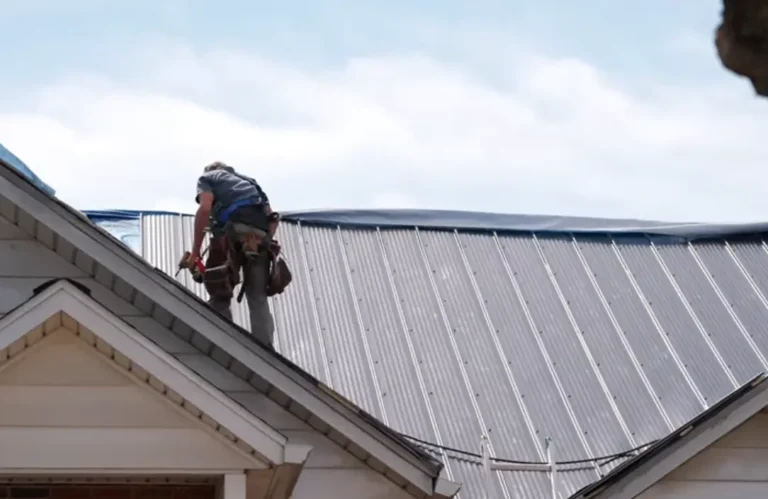
Roofing work is a genuine construction project, expect noise, some debris on the ground during the work itself, and crew activity around your property for the duration of the installation. A reputable contractor should protect landscaping with tarps where needed, conduct a magnetic sweep for stray fasteners daily and at project completion, and leave the property fully cleaned once the job is finished. Knowing this upfront, rather than being surprised by the reality of an active construction project, makes the process smoother.
Get Everything in Writing Before Work Begins
Beyond the estimate itself, a complete project should have written documentation covering the specific panel system, gauge, and color agreed upon, the payment schedule and deposit terms, the decking repair allowance and process for handling discovered issues, the manufacturer and workmanship warranty terms, and the expected timeline. Having all of this in writing before work begins protects both you and your contractor if any questions come up later.
Understand Your Financing Options Before You Need Them
Given the real upfront cost gap between metal and asphalt, it’s worth understanding your financing options before you’re deep into the decision-making process, not as an afterthought once you’ve already chosen a contractor. Financing options are commonly available to spread the cost over time, which can make the difference between delaying a needed roof replacement and moving forward with the material that actually makes the most long-term sense for your home.
If financing is likely to be part of your decision, ask about it directly during your initial contractor consultation, since this can affect which specific panel system and gauge fits comfortably within your actual monthly budget, not just your total project budget.
What to Prepare Before Your First Inspection
A few simple things help your first inspection go smoothly and give you better information to work with.
Locate any existing roofing documentation you have, including your current roof’s age, any past repair history, and if applicable, your original installation paperwork. This helps a contractor understand your roof’s full history, not just its current visible condition.
Note any specific concerns or symptoms you’ve noticed, even minor ones, a small stain, an area that seems to collect water, a room that runs hotter than others. These details can help direct a contractor’s attention to specific areas worth a closer look.
Check your HOA documentation if applicable, so you know your community’s design guidelines going into the conversation rather than discovering a restriction after you’ve already chosen a color you love.
Think through your realistic timeline expectations, including any events, a home sale, an upcoming season, a planned trip, that might affect when you’d want the project scheduled, so you can discuss this directly during your first conversation.
Common Mistakes Worth Avoiding
A few patterns show up often enough among first-time metal roofing buyers that they’re worth naming directly.
Choosing based on the lowest quote alone, without understanding what’s different about it. A significantly lower quote sometimes reflects a thinner gauge, a more basic coating, or a less thorough scope of work, not simply a better deal on an identical product.
Skipping the permit process to save time or money. Beyond being a legal requirement for full replacements in Austin, unpermitted work can create real problems at resale, and it’s a corner worth never cutting regardless of how minor it might seem in the moment.
Choosing a color or profile without checking HOA guidelines first. This is an easily avoidable frustration that simply requires checking your community’s documentation before, rather than after, falling in love with a specific look.
Not asking about both warranty types. Assuming a strong manufacturer warranty covers everything, without a separate conversation about workmanship warranty coverage, leaves a real gap in your protection if an installation-related issue arises.
Not planning for the noise and disruption honestly. Underestimating how disruptive an active roofing project is, particularly for households working from home or with young children or pets, can turn a well-executed project into a more stressful experience than it needed to be, simply due to a lack of realistic upfront planning.
Frequently Asked Questions
How long should I expect the entire process to take, from first contact to a finished roof? This varies, but a reasonable general expectation is several weeks from initial inspection through completion, accounting for scheduling, permitting, and material lead time, not just the actual installation days.
Is it normal for decking repair costs to not be fully known upfront? Yes, this is normal and expected, since full decking condition often can’t be assessed until the old roof is removed. What matters is having a clear, written process for how this is handled if additional repair is discovered.
Should I get multiple quotes before choosing a contractor? Generally, yes, particularly for a project of this size. Comparing itemized, written estimates, not just final totals, helps you evaluate what’s actually driving any price differences between contractors.
Do I need to be home during the installation? Not for the entire process, though being available for the initial inspection, any decisions about discovered issues during the project, and the final walkthrough is generally expected and recommended.
What should I do with pets during installation? Given the noise and activity involved, most contractors recommend keeping pets elsewhere, either with family, a pet sitter, or in a part of the home away from the active work area, particularly for the noisier portions of installation.
Can I stay in my home during the entire installation process? Yes, in almost all cases. Residential roofing work doesn’t typically require vacating the home, though the noise is worth planning around, particularly if you work from home or have specific scheduling needs during the project.
How do I know if a contractor is genuinely experienced with metal roofing specifically, versus roofing in general? Ask directly what percentage of their work is metal roofing, how they handle standing seam fabrication if that’s the system you’re considering, and whether they can walk you through specific technical details like flashing approach and fastener spacing without hesitation. A genuinely experienced metal roofing contractor should answer these questions readily and specifically.
What questions should I ask every contractor to make sure I’m comparing quotes fairly? At minimum, ask about panel system and gauge, whether the estimate includes a decking repair allowance and how additional repair is handled if discovered, what the payment schedule looks like, what warranty coverage applies, and whether permitting is included in the quoted price.
The Honest Bottom Line
Installing a metal roof involves more decisions and moving parts than most homeowners expect going in, panel system, contractor vetting, permitting, decking condition, HOA guidelines, insurance implications, and warranty coverage all play a real role in how the project actually goes. Understanding these pieces before you start getting quotes puts you in a much stronger position to evaluate what you’re being offered and make a decision you’ll be genuinely satisfied with for the decades your roof is meant to last.
If you’re ready to start this process, residential metal roofing Austin homeowners trust for honest guidance from the first inspection through the final walkthrough starts with a real conversation about your specific home.
Call (737) 243-8241 for a free inspection and a written estimate.