
Here’s something most roofing content won’t tell you upfront: a metal roof’s direct dollar-for-dollar resale return isn’t necessarily higher than asphalt’s, and in some national data, it’s actually lower. That might seem like a strange way to start an article about metal roofing and home value, but it’s the honest starting point, and understanding the real picture actually makes a stronger case for metal roofing in a market like Austin than an oversimplified “metal roofs always add more value” claim would.
If you’re weighing a roof replacement with resale in mind, Pecan Metal Roofs can walk through what actually makes sense for your specific home and timeline, for homeowners across Austin, TX.
What the National Cost vs Value Data Actually Shows
The most widely cited industry source for remodeling return on investment is the annual Cost vs Value Report, tracked by Remodeling and Zonda industry researchers. According to recent editions of this report, asphalt shingle roof replacement recoups roughly 60 to 68 percent of its cost at resale nationally, while metal roofing recoups a lower percentage, generally cited in the range of 48 to 60 percent, sometimes reported as high as 85 percent depending on the specific study and region referenced.
This is a genuinely wide range across different sources, and it’s worth being honest about that rather than picking whichever number sounds best. What’s consistent across nearly every source is this: metal roofing’s direct percentage return at resale is not clearly higher than asphalt’s, and in the most commonly cited national report, it’s actually somewhat lower.
Why This Doesn’t Mean Metal Is a Bad Financial Choice
This is where the real picture gets more interesting, and more honest, than a simple percentage comparison. Direct resale ROI only measures one narrow thing: how much more a buyer will pay specifically because the roof happens to be recently replaced, compared against the roof’s actual installation cost. It doesn’t capture several other real financial factors that matter significantly more for metal roofing specifically.
Buyer demand and time on market. Recent National Association of Realtors research found that a meaningful share of real estate agents report increased buyer demand connected specifically to a new roof, and roof replacement projects consistently earn some of the highest owner satisfaction scores tracked in remodeling research, well above many higher-cost renovation projects. A desirable feature that helps a home sell faster, even without adding a proportionally higher sale price, has real value that a simple recoup percentage doesn’t capture.
Avoided interior damage costs. A failing roof that isn’t addressed before it actually leaks can lead to interior damage, drywall, insulation, and in serious cases, mold remediation, that can cost thousands of dollars beyond the roof replacement itself. Replacing a roof proactively, before it fails, avoids this category of cost entirely, a real financial benefit that has nothing to do with resale percentage but affects the total cost of ownership either way.
Insurance premium considerations. Many insurance carriers offer real premium discounts, in some cases reported in a range as wide as 5 to 35 percent depending on the state and carrier, for the improved impact resistance and fire rating metal roofing provides. This is an ongoing, annual saving that compounds over the years you own the home, not a one-time resale number.
Longevity relative to ownership timeline. A metal roof commonly lasts 40 to 70 years, compared to 15 to 25 years for asphalt. For a homeowner who stays in a home for decades, this means never facing a second roof replacement decision at all, a real, if less directly measurable, value that a same-year resale percentage doesn’t reflect.
Why Austin’s Market Specifically Changes This Calculation
This is the part that matters most for your specific decision, and it’s where the national averages above start to understate metal’s real value locally. Texas experiences more hailstorms than any other state, and Austin specifically has logged well over a hundred hail reports within ten miles of downtown since 2004. Markets with frequent severe weather events are exactly where metal roofing’s durability advantage translates into the strongest real buyer value, since buyers in these markets increasingly understand the real, recurring cost of asphalt roofs that need repeated replacement after hail events, a cost cycle metal largely avoids.
Research specifically looking at hail-prone and severe-weather markets has found metal roofing recoup percentages running higher than the general national average, since buyers in these specific markets are willing to pay more for the durability difference than buyers in a milder, more stable climate would be. This is a real, market-specific factor that a generic national statistic doesn’t capture, and it works specifically in metal roofing’s favor in a place like Austin.
What Actually Drives Buyer Perception, Beyond the Percentage
A few real factors shape how a buyer actually responds to a metal roof, worth understanding beyond the pure ROI number.
Roof age is one of the first things buyers and their agents check. A documented, recent roof, regardless of material, removes a common point of hesitation or negotiation leverage during a sale. A metal roof specifically removes this concern for a much longer stretch of the home’s future ownership than an asphalt roof would.
A visibly aging roof can become a negotiating point, even if it hasn’t failed yet. Buyers and inspectors increasingly ask about roof age directly, and an aging asphalt roof nearing the end of its expected lifespan can lead to a buyer requesting a credit or a pre-sale replacement, even when the roof is technically still functional.
Documentation matters as much as the roof itself. A metal roof installation with real permit records, manufacturer warranty registration, and clear documentation of the work performed reads as more credible and trustworthy to a buyer than an undocumented or informally completed project, regardless of material.
When a Metal Roof Makes the Most Financial Sense Before Selling
Given everything above, here’s a practical way to think through whether a metal roof replacement makes sense specifically if resale is part of your near-term plan.
If your current roof is asphalt and near or past its expected lifespan, replacing it before selling removes a real negotiating point and inspection concern, regardless of which material you choose for the replacement.
If you’re staying in the home for several more years before selling, metal’s longer lifespan means you personally benefit from the durability and reduced maintenance during your remaining ownership, in addition to whatever resale value the roof provides when you eventually do sell.
If you’re in a hail-prone area with a history of roof-related insurance claims, buyers in your specific market segment are more likely to value metal’s durability specifically, which can push your real local ROI above the more conservative national averages.
If you’re planning to sell within the next year or two and your current roof is still functional, a full metal roof replacement may not have enough time to translate into a proportionally higher sale price before you move, in which case addressing only genuine, necessary repairs rather than a full premium replacement may make more financial sense for your specific timeline.
The Honest Caveat Worth Stating Plainly
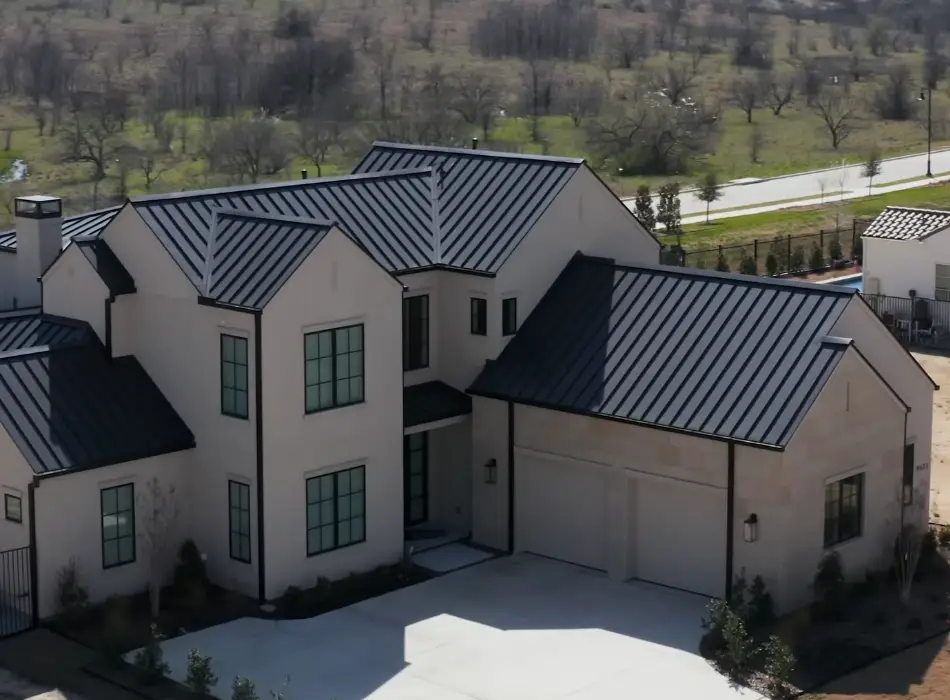
Not every buyer values metal roofing the same way. Some buyers, particularly those unfamiliar with the material or drawn to a specific traditional aesthetic, may not pay a premium for metal roofing the way research suggests happens on average. This is part of why appearance and architectural fit matter, a metal roof that looks intentional and appropriate for the home’s style, whether that’s a modern standing seam look or a traditional stone coated steel appearance, tends to be received more favorably than one that reads as visually mismatched with the property.
How to Present a Metal Roof Effectively When Selling
If you already have a metal roof and are preparing to sell, a few practical steps help ensure its value is actually communicated to potential buyers, rather than assumed.
Keep documentation organized and accessible. Installation date, permit records, manufacturer warranty registration, and any maintenance history should be easy to provide to a buyer’s agent or inspector, since documented condition supports a stronger perceived value than an undocumented claim of a recent installation.
Mention the roof specifically in listing materials. A roof’s material and approximate age are worth including directly in listing descriptions, rather than assuming buyers will ask or an agent will think to highlight it, since this is exactly the kind of detail research shows drives increased buyer interest.
Address any cosmetic wear before listing, not after an inspection flags it. Minor cosmetic issues, a small oil canning area, light coating fade, are generally not functional problems, but addressing anything genuinely worth fixing before a buyer’s inspection avoids it becoming an unnecessary negotiating point during a transaction that’s otherwise going smoothly.
Highlight insurance savings if you’ve experienced them directly. If you’ve seen a real premium reduction since installing your metal roof, this is worth mentioning to your realtor, since it’s a concrete, quantifiable benefit a buyer can factor into their own future cost of ownership.
What This Looks Like for Commercial Property Resale
For commercial property owners, the resale and value calculation carries some of the same principles with a few additional factors. Commercial buyers and investors often evaluate a property’s roof condition as part of broader due diligence, sometimes more formally than a typical residential buyer would, including reviewing maintenance records and remaining warranty coverage as part of the property’s overall capital expenditure outlook.
A well documented, durable metal roof on a commercial property can reduce a buyer’s anticipated near-term capital expenditure needs, which is a genuine value factor in commercial real estate valuation, distinct from but related to the residential resale principles covered throughout this guide. This is particularly relevant for buildings in Austin’s hail-prone climate, where a documented history of minimal storm-related roofing claims can be a meaningful point in a commercial property’s favor during due diligence.
A Note on How Long You’ve Owned the Home Changes This Math
It’s worth being direct about one more honest factor. The financial case for metal roofing strengthens considerably the longer you’ve already owned, or plan to own, the home before selling. A metal roof installed early in a long ownership period delivers real, personal value through avoided maintenance, avoided replacement, and genuine energy and insurance savings for years before resale ever becomes relevant, meaning the resale ROI percentage is really only one part of a much larger financial picture that unfolds over your actual ownership timeline, not just the moment of sale.
Frequently Asked Questions
Does a metal roof always increase my home’s resale value more than asphalt would?
Not necessarily, based on national cost versus value data, metal’s direct resale recoup percentage is sometimes similar to or lower than asphalt’s. Its real value advantage comes more from buyer demand, avoided future replacement costs, and insurance savings than from a simple resale percentage.
How long does it typically take to recover a metal roof’s cost through resale alone?
Based on available data, a metal roof’s cost is rarely fully recovered through resale value alone in a single sale, similar to most home improvement projects. When combined with avoided interior damage costs and insurance savings over time, many homeowners see the investment pay off within roughly 7 to 10 years of ownership.
Does an appraiser value a metal roof differently than an asphalt roof?
Appraisals generally consider a roof’s condition and remaining useful life rather than assigning a specific premium for material type alone, though a documented, high-quality installation can support a stronger overall condition assessment.
Is metal roofing a better resale investment specifically in Austin compared to other cities?
Likely somewhat, given Austin’s frequent hail exposure, which tends to make buyers in this specific market more aware of and willing to value a durable roofing material, compared to markets with milder, more stable weather patterns.
Should I choose the most expensive metal roofing option if I’m focused on resale value?
Not necessarily. A well chosen, architecturally appropriate system, sometimes standing seam, sometimes stone coated steel depending on the home and neighborhood, tends to be received better by buyers than the most expensive option chosen without regard to how it fits the property.
Will buyers know the difference between different metal roofing systems at resale?
Most buyers won’t distinguish between specific panel systems technically, but they do respond to overall appearance and condition, which is part of why choosing a system that fits your home’s architecture matters for resale perception, not just the fact that the roof is metal.
Does the age of my metal roof at the time of sale still matter, even though it lasts so much longer than asphalt?
Yes, to a degree, though less dramatically than with asphalt. A metal roof installed recently still reads as a stronger, more reassuring feature than one installed decades ago, even if both are technically well within their expected lifespan, simply because buyers generally respond positively to more recent work with clear remaining warranty coverage.
Should I get a professional appraisal specifically to document my metal roof’s value before listing?
This is generally unnecessary as a standalone step, since a standard listing appraisal process will factor in the roof’s condition as part of the overall property assessment. Keeping your own installation and warranty documentation organized and ready to share is typically sufficient.
Does a metal roof increase home value?
It can, though the direct resale return isn’t always higher than asphalt’s in national data. The real value comes more from buyer demand, avoided future replacement costs, and insurance savings than from a simple percentage increase.
How much does a new metal roof increase home value?
This varies by market and property, but national cost versus value research generally shows a partial return on investment at resale, not a dollar-for-dollar increase, similar to most home improvement projects.
The Honest Bottom Line
Metal roofing’s real value at resale isn’t a simple, higher percentage return than asphalt, the honest national data doesn’t support that oversimplified claim. What it does offer is a combination of stronger buyer demand, avoided future replacement and interior damage costs, real insurance savings, and a genuine durability advantage that matters more in a hail-prone market like Austin than it would in a milder climate. The right decision depends on your specific timeline, your current roof’s condition, and how long you plan to stay in the home before any resale consideration becomes relevant at all.
If you want help thinking through this decision for your specific home and timeline, residential metal roofing Austin homeowners trust for honest guidance starts with a real conversation, not a sales pitch built around an oversimplified statistic.
Call (737) 243-8241 for a free inspection and a written estimate.