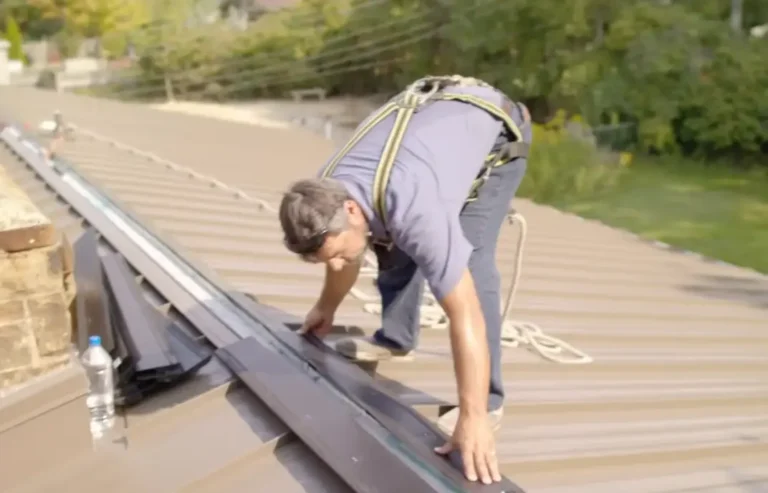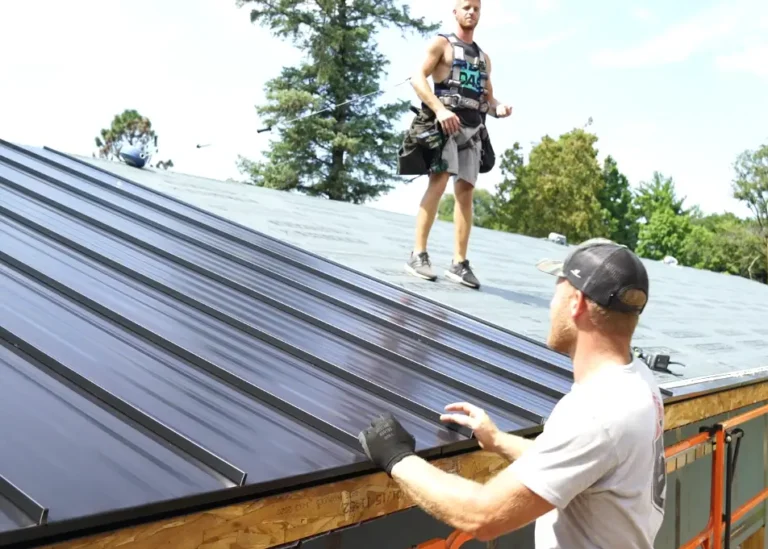

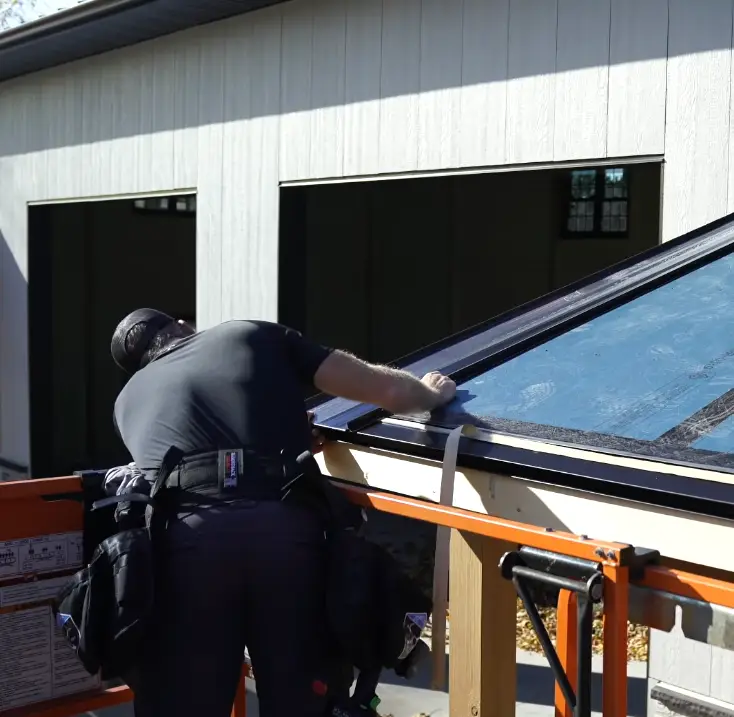
Standing seam comes in more variety than most homeowners expect. Beyond just picking a color you like, the panel profile, seam height, spacing, and finish type all affect how the finished roof reads against your home’s actual architectural style. Getting this right is the difference between a roof that looks like it was designed for your home and one that looks like a generic panel was simply installed on top of it.
This guide walks through how to think about color and profile selection based on architectural style, so the end result actually fits. If you want help working through these choices for your specific home, Pecan Metal Roofs offers free inspections and design consultations for homeowners across Austin, TX.
Why This Decision Deserves Real Thought, Not Just a Color Swatch
A lot of roofing decisions get treated as purely functional, pick a durable material, install it, move on. Standing seam specifically rewards more consideration than that, since it’s a visually prominent architectural feature on most homes, not something hidden or blended into the background the way some roofing choices can be. The seam lines themselves create a strong visual pattern, and the color and finish you choose interact directly with your home’s siding, trim, and overall architectural character.
This isn’t about overcomplicating a roofing decision, it’s about recognizing that the choice genuinely affects how your home looks for the next fifty years or more, which is worth a real conversation rather than a quick pick from a sample chart.
Matching Panel Profile to Architectural Style
Modern and contemporary homes generally pair best with a clean, minimal standing seam profile, narrower panel widths, taller seam height, and a monochromatic or near-monochromatic color scheme relative to the walls. This profile emphasizes the roof’s clean vertical lines, which reads as intentional and architecturally considered rather than decorative. Homes in newer, contemporary-style neighborhoods tend to suit this profile particularly well.
Farmhouse and ranch style homes often work well with a slightly wider panel profile and a lower seam height, which reads as more traditional without losing the benefits of standing seam’s concealed fastener system. A slightly more textured or matte finish, rather than a high-gloss coating, tends to suit this style better too, avoiding a look that feels overly polished for a more rustic architectural intent.
Historic and older homes, common in neighborhoods like Hyde Park and Tarrytown, benefit from a more considered approach given the home’s existing architectural character. A standing seam profile that echoes traditional seamed metal roofing, historically common on many older American homes, can complement a historic property’s character rather than looking obviously modern against older siding and trim details. This is a case where getting an experienced opinion matters more than picking based on a photo alone, since older homes often have specific architectural details, cornices, dormers, chimney styles, that interact with roof color and profile in ways that are hard to judge from a general sample.
Hill Country and transitional style homes, a common style choice in newer developments around the Austin area, often pair well with a mid-weight panel profile and earth-toned colors, bronze, dark brown, or warm gray, that complement the stone and natural material accents typical of this architectural style.
Choosing a Color, Beyond Just Personal Preference
Color choice affects more than aesthetics, though aesthetics matter plenty. A few real, practical factors are worth weighing alongside personal preference.
Heat reflectivity varies by color. Lighter colors reflect more solar heat than darker ones, which has a real, if modest, effect on attic temperature and cooling costs. This doesn’t mean you need to choose white or light gray, darker colors with a quality reflective coating still perform reasonably well, but it’s worth knowing the general relationship if energy performance is a real priority for you.
Darker colors show dust and pollen differently than lighter colors. Given Austin’s cedar pollen season and general dust accumulation, darker roof colors tend to show this buildup more visibly between cleanings than lighter or more neutral tones, worth considering if you want a roof that looks clean longer between maintenance visits.
Trends fade, architectural fit doesn’t. A color chosen because it’s currently popular can start to feel dated as trends shift, while a color chosen specifically because it complements your home’s actual architecture and setting tends to hold up better over the decades a standing seam roof is meant to last.
Neighborhood context matters, even without formal HOA rules. Even in neighborhoods without strict design guidelines, a roof color that stands out dramatically from the surrounding homes can affect how the property reads within its context. This isn’t a rule to follow rigidly, but it’s worth being a deliberate choice rather than an accidental one.
What HOA-Restricted Neighborhoods Actually Require
If you’re in a neighborhood with homeowners association design guidelines, this significantly narrows and shapes your color and profile decision, and it’s worth understanding what these guidelines typically address before falling in love with a specific look.
Approved color palettes. Many HOAs maintain a specific, limited list of approved roofing colors, often earth tones or neutral colors intended to maintain visual consistency across the community. Standing seam offers enough color range to typically satisfy these palettes, but it’s worth confirming your specific choice against your community’s actual approved list before committing.
Panel profile and visual texture requirements. Some communities have guidelines that go beyond color, specifying an expected visual texture or appearance, sometimes effectively requiring a shingle or tile-like appearance rather than a visibly modern standing seam profile. In these cases, stone coated steel may actually be a better fit than traditional standing seam, worth discussing as an alternative if your community’s guidelines lean this direction.
Approval process timing. Getting HOA design approval before installation begins is worth building into your project timeline, since approval processes can take anywhere from a quick review to several weeks depending on your specific community’s process. Starting this conversation early, ideally during your initial roofing consultation, avoids a scheduling delay later.
A Practical Framework for Making This Decision
Given all the factors above, here’s a straightforward way to work through the decision for your specific home.
Start with your home’s existing fixed elements. Brick color, stone accents, siding color, and window trim are typically much harder or more expensive to change than a roof color choice. Starting from these fixed elements and choosing a roof color and profile that complements them, rather than starting with a roof color you like and hoping it works with everything else, tends to produce a more cohesive result.
Consider your home’s architectural era and style honestly. A roof profile that would look striking on a brand new contemporary build can look genuinely mismatched on a 1930s craftsman home, and vice versa. Being honest about your home’s actual style, rather than the style you might personally prefer in the abstract, leads to a better outcome.
Get a second opinion from someone who does this regularly. An experienced installer has seen the outcome of dozens or hundreds of color and profile choices across different home styles, and can often flag a mismatch or suggest an alternative you wouldn’t have considered on your own, before it becomes a fifty-year decision you’re less than fully happy with.
Check actual installed examples when possible, not just sample chips. A small color sample under indoor lighting looks meaningfully different than the same color across an entire roof surface under Austin’s direct outdoor sun. Viewing real installed examples, even in photos of similar homes, gives a much more accurate sense of the final result than a swatch alone.
Common Color and Profile Combinations by Home Type
To make this more concrete, here are some general pairings that tend to work well, offered as a starting point rather than a rigid rule.
Modern build in a newer development: Narrow panel standing seam, taller seam profile, charcoal, dark gray, or black finish, often paired with light-colored or contrasting siding for a deliberate, architecturally intentional contrast.
Historic home in Hyde Park or Tarrytown: Traditional seam spacing and profile, a color that complements the home’s existing trim and brick, often a muted, historically appropriate tone rather than a bold modern color.
Hill Country style home: Mid-weight panel profile, bronze, dark brown, or warm gray finish, complementing stone accents typical of this architectural style.
Farmhouse or ranch style property: Wider panel spacing, lower seam profile, a matte finish in a traditional color like weathered gray, dark green, or barn red for a more textured, less polished modern appearance.
HOA-restricted community: Approved neutral or earth tone color, profile chosen specifically to satisfy the community’s design guidelines, sometimes stone coated steel rather than traditional standing seam if the guidelines call for a shingle or tile appearance.
Understanding Coating Types, Since They Affect Color Longevity Too
Beyond the color itself, the coating system applied to a standing seam panel meaningfully affects how well that color holds up over the roof’s lifespan, a factor worth understanding alongside the color and profile decision.
Standard painted finishes offer a reasonable range of colors at a moderate cost, with typical fade resistance suitable for most residential applications. Over many years of Austin’s intense UV exposure, some gradual fading is normal and expected with this coating tier.
Premium coating systems, often marketed under specific manufacturer names, offer improved fade and chalk resistance, meaning the color you choose stays closer to its original appearance for longer, particularly relevant given how much direct sun exposure a Central Texas roof receives across the year. This comes at a real cost premium over standard coatings, worth weighing against how much color consistency matters to you over the decades-long lifespan of the roof.
Galvalume, uncoated or minimally coated finishes offer a distinct, natural metallic appearance rather than a painted color, popular for homeowners specifically wanting that raw metal look rather than a traditional color choice. This finish develops its own subtle weathering pattern over time, worth knowing if you’re drawn to this aesthetic specifically for its evolving character rather than wanting a fixed, unchanging appearance.
Choosing a coating tier is really a separate decision from choosing a color and profile, but the three interact, a bold, saturated color choice benefits more from a premium coating’s fade resistance than a neutral, muted tone would, since color shift is generally more visually noticeable on bolder color choices over time.
Color and Profile Considerations for Commercial Properties
For commercial buildings, color and profile decisions carry some additional considerations beyond pure aesthetic preference. Brand consistency sometimes plays a role, a business with a specific brand color scheme may want the roofing color to complement or intentionally avoid clashing with signage and building branding, particularly for street-visible roof sections on lower buildings.
Heat reflectivity also carries more weight for commercial buildings given their typically larger roof area relative to the building’s overall energy use, making lighter, more reflective color choices a more significant factor in a commercial property’s overall energy cost profile than the same choice would be for a typical residential home.
Municipal and commercial design review requirements, separate from residential HOA guidelines, sometimes apply to commercial construction and renovation projects in certain zoning districts, worth confirming with the City of Austin’s planning department or your commercial property’s specific zoning requirements before finalizing a color choice for a visible commercial roof.
When to Bring in a Design Professional
For most residential projects, working through this decision with an experienced roofing contractor is sufficient, given their direct experience seeing how various color and profile choices actually look once installed across many different homes. For larger, more architecturally significant projects, a custom home build, a historic restoration with specific preservation considerations, or a commercial project with brand and design review requirements, bringing in an architect or designer alongside your roofing contractor can help ensure the roofing decision integrates properly with the broader design intent of the project.
Frequently Asked Questions
Does a darker roof color actually make a meaningful difference in cooling costs compared to a lighter one?
Yes, though the difference is generally more modest than the difference between metal roofing and asphalt overall. A quality reflective coating on a darker color still performs reasonably well, so this shouldn’t be the only factor driving your color decision, but it’s a real, worth-knowing consideration.
Can I see how a specific color will look on my actual home before committing?
Many roofing contractors can provide sample panels or reference photos of similar homes with the color you’re considering, which gives a more accurate sense than a small indoor swatch alone.
How do I find out what my HOA’s specific roofing color guidelines are?
Your HOA’s governing documents or design guidelines document typically lists approved colors and materials. If you don’t have a current copy, your HOA management company or board can usually provide one directly.
Is it more expensive to choose a less common color or profile?
Some specialty colors or less common profiles can carry a modest premium due to lower production volume or longer lead times, though this varies by manufacturer. It’s worth asking directly if a specific choice affects cost or availability timeline.
What if my home doesn’t fit neatly into one architectural style category?
Many homes blend elements from multiple styles, which is completely normal. In these cases, working from your home’s fixed elements, brick, stone, siding color, and getting an experienced opinion tends to be more useful than trying to force the decision into a single style category.
Does panel profile choice affect the roof’s performance, or is it purely visual?
Profile primarily affects appearance, though panel width and seam height can have minor effects on installation speed and, in some cases, wind performance characteristics. The core durability and weather performance benefits of standing seam apply across most profile choices.
Is it worth paying for a premium coating if I’ve chosen a neutral, muted color?
This depends on your priorities, but the case for a premium coating is generally stronger for bolder, more saturated colors where fading is more visually noticeable over time. For a neutral gray or muted earth tone, a standard coating often performs acceptably well for most homeowners’ expectations over the roof’s lifespan.
Can I combine two different colors or profiles on the same roof, for example a different color on a dormer or addition?
This is possible and sometimes done intentionally for architectural effect, though it requires careful planning to ensure the transition looks deliberate rather than accidental, and it’s worth discussing directly with your contractor if this is something you’re considering.
How do you determine the seam type on a roof?
Standing seam roofs show raised, vertical seams with no visible fasteners. Exposed fastener or corrugated roofs show visible screws along ridges, with no raised seam. A close inspection of the panel edges confirms which system you have.
The Honest Bottom Line
Standing seam’s color and profile options give you real flexibility to match your home’s specific architectural character, but that flexibility only pays off if the decision gets real thought rather than a quick pick from a sample chart. Starting from your home’s existing fixed elements, being honest about its actual architectural style, and getting an experienced opinion tend to produce a result you’ll still be happy with decades from now, which matters given how long a standing seam roof is genuinely meant to last.
If you want help working through these choices for your specific home, standing seam metal roofing Austin homeowners trust for honest design guidance starts with a real conversation about your home, not just a color chart.
Call (737) 243-8241 for a free inspection and a written estimate.