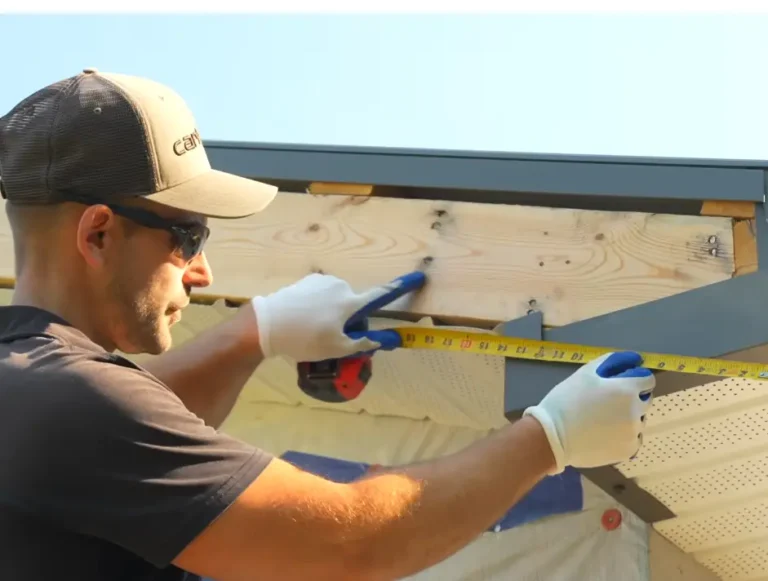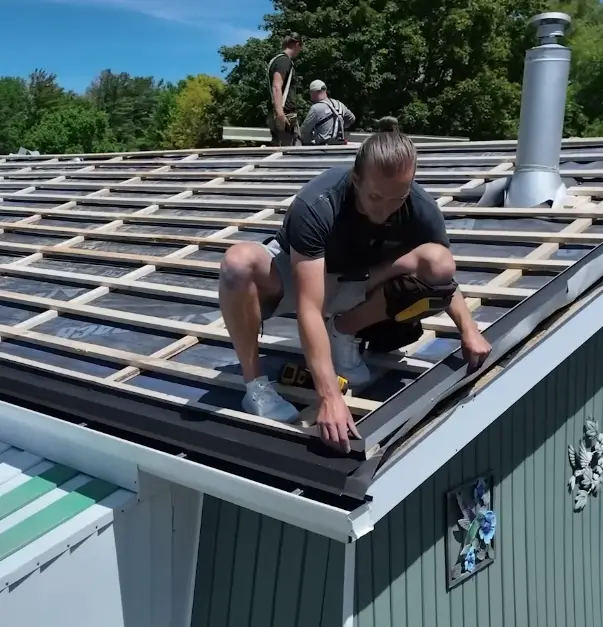

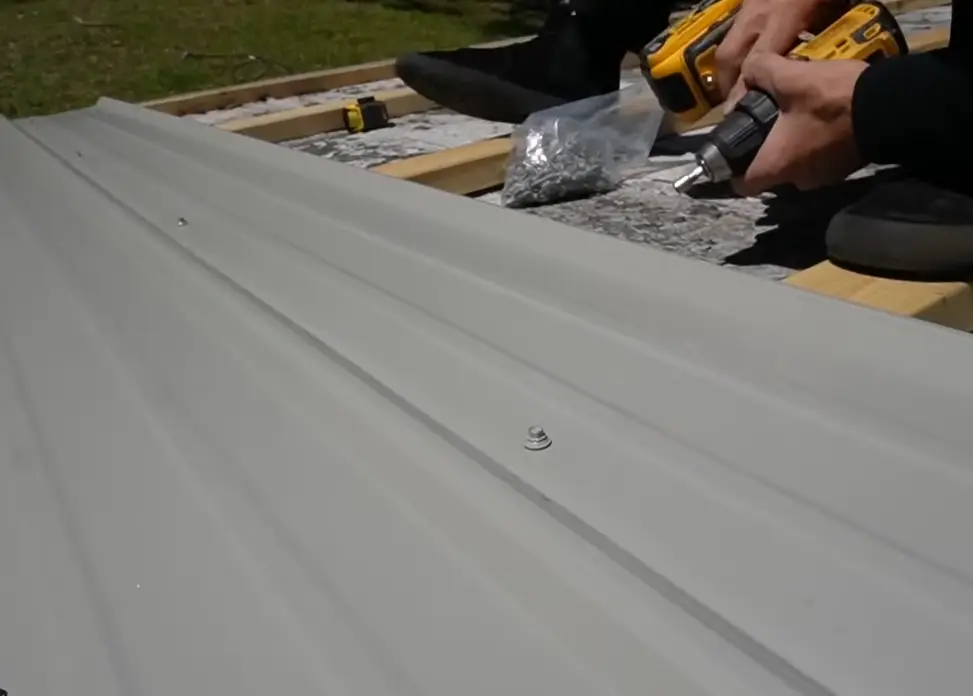
A metal roof replacement quote is rarely just one number. Behind that total sits a list of individual cost factors, tear off, materials, labor, flashing, permits, and sometimes a few things homeowners never think to ask about, like disposal fees or decking repair contingencies. Understanding what actually makes up that total helps you evaluate a quote intelligently instead of just comparing bottom line numbers.
This guide breaks down every real cost component of a metal roof replacement in Austin, so you know exactly what you’re paying for. If you want a written, itemized estimate for your own home, Pecan Metal Roofs offers free inspections for homeowners across Austin, TX.
The Overall Range, and Why It’s So Wide
Most metal roof replacements in Austin run somewhere between 15,000 and 35,000 dollars for a typical residential home, with larger or more complex projects reaching higher. That’s a wide range, and the reason it’s wide is that a roofing quote is really a sum of several distinct line items, each of which can vary significantly based on your specific home.
Here’s what actually goes into that total.
Line Item One, Tear Off and Disposal
Before new panels go on, the old roofing material has to come off, and that material has to go somewhere. Tear off labor depends on how many layers of existing roofing are being removed and how steep or complex the roof is to work on safely. Disposal costs depend on the volume of material removed and local dumpster or hauling fees, which is a cost some quotes bundle into the overall price and others itemize separately.
If you’re replacing an existing metal roof rather than converting from asphalt, tear off can sometimes take longer, since removing metal panels correctly without damaging the decking underneath requires more careful handling than stripping asphalt shingles.
Line Item Two, Decking Inspection and Repair
Once the old roofing is off, the decking underneath gets inspected for rot, water damage, or structural issues that need to be addressed before new panels go on. Most estimates include a contingency allowance for this, since decking condition often can’t be fully assessed until the old roof is actually removed.
This is one of the most variable line items on any replacement quote, a roof with no decking issues adds nothing here, while a roof with rot from a long-standing undetected leak can add a meaningful amount to the final cost. A written estimate should clearly state how decking repair, if needed, will be handled, whether it’s included up to a certain allowance or billed separately once discovered.
Line Item Three, Underlayment
A synthetic underlayment goes down over the decking before panels are installed, providing a secondary moisture barrier. This is a relatively small cost component on its own, but it’s worth confirming it’s included in your estimate, since skipping it or using a lower quality product is one way a quote can come in artificially low.
Line Item Four, Materials, Panel Type, Gauge, and Coating
This is usually the single largest cost component, and it’s where the most variation between quotes comes from.
Panel system matters significantly. Standing seam costs more than exposed fastener systems, generally due to labor and fabrication precision rather than raw material cost alone. Stone coated steel sits in the middle, combining steel structure with a coated stone granule surface.
Panel gauge, the thickness of the metal, affects both cost and durability. Thicker 24 gauge steel costs more than lighter 26 gauge material but holds up better against hail impact over time.
Coating type affects both appearance and longevity. A basic painted finish costs less than a premium coating system designed for extended color retention and corrosion resistance.
When comparing quotes, it’s worth confirming these three specifics are actually the same across each estimate, since a lower price sometimes reflects a thinner gauge or a more basic coating rather than a genuinely better deal on the same product.
Line Item Five, Fabrication
Many standing seam panels are custom fabricated on site or shortly before installation, cut to the exact length of your specific roof rather than pulled from stock lengths. This eliminates horizontal seams across a roof plane, but it does add a labor and equipment cost component that a simpler, stock-length exposed fastener system doesn’t carry to the same degree.
Line Item Six, Flashing and Trim
Flashing around chimneys, vents, skylights, and roof edges is where most roof leaks actually originate, which makes this detail work genuinely important, not just a minor add-on line item. Flashing and trim costs depend on how many penetrations and transition points your specific roof has, a simple roof with few features costs less here than an architecturally complex roof with multiple dormers, chimneys, and skylights.
Line Item Seven, Labor
Labor cost reflects crew size, project timeline, and roof complexity, including pitch. A steep roof takes longer to work on safely and requires more specialized safety equipment than a low slope roof, which adds real labor cost independent of the materials being used.
Line Item Eight, Permitting
Full metal roof replacements in Austin require a building permit through the City of Austin’s Development Services Department. This involves both a permit fee and the administrative time to file the application and schedule the required inspection. A contractor handling this directly on your behalf, rather than leaving it to you, should reflect that service somewhere in the estimate, even if it’s not always broken out as its own explicit line.
Line Item Nine, Equipment and Access
Most residential roofs don’t require specialized equipment beyond standard ladders and safety gear, but a roof with difficult access, a steep pitch, a tall multi-story home, or limited ground clearance around the property, can require additional equipment, which adds cost. This is a real, legitimate cost driver rather than padding, and it’s worth understanding if your home’s specific layout falls into this category.
Line Item Ten, Cleanup and Final Walkthrough
A thorough final cleanup, including a magnetic sweep for stray fasteners and scrap metal, is a real part of a complete job, not just a courtesy. This is typically bundled into the overall labor cost rather than itemized separately, but it’s worth confirming it’s included as a standard part of the process rather than an optional add-on.
What a Complete, Itemized Estimate Should Actually Show You
Given all these components, a genuinely thorough written estimate should let you see, at minimum, the panel system and gauge specified, an estimated cost range for materials versus labor, whether decking repair is included up to an allowance or billed separately if discovered, whether permitting is included, and what the cleanup and walkthrough process involves.
An estimate that’s just a single total number, with no breakdown of these components, makes it genuinely difficult to evaluate whether the price reflects your specific roof’s actual needs or a generic, rounded number.
A Worked Example for a Typical Austin Home
Here’s a simplified, illustrative breakdown for a standing seam replacement on a roughly 2,500 square foot roof, using general current market ranges. Your actual numbers will vary based on your specific home.
| Line Item | Approximate Range |
|---|---|
| Tear off and disposal | 1,500 to 3,000 dollars |
| Decking repair allowance | 500 to 2,500 dollars, depending on condition found |
| Underlayment | 800 to 1,500 dollars |
| Panels, materials, and fabrication | 12,000 to 20,000 dollars |
| Flashing and trim | 1,500 to 3,500 dollars |
| Labor | Often bundled with materials and fabrication above |
| Permitting | 200 to 600 dollars |
| Total estimated range | 16,500 to 31,100 dollars |
This lands within the general 15,000 to 35,000 dollar range mentioned earlier, and shows how the individual components add up to that total rather than being one arbitrary number.
Why Two Quotes for the Same Home Can Look So Different
If you’ve gotten multiple quotes and seen a meaningful gap between them, the difference usually traces back to one or more of the line items above, not necessarily one contractor being dishonest and the other honest. Different panel gauge specified, different decking repair assumptions, different labor rates based on crew size and overhead, or a different approach to how decking issues get billed if discovered, can all produce genuinely different, individually reasonable numbers for the same roof.
The best way to compare is asking each contractor for the same level of itemized detail, so you’re comparing specific components against each other rather than two unexplained totals.
Financing and How It Changes the Real Cost Conversation
Financing options are commonly available to spread a metal roof replacement’s cost over time rather than paying the full amount upfront. This doesn’t change the actual total project cost, but it does change the practical decision from a single large upfront payment to a monthly amount that may fit more comfortably into a household budget, which is worth discussing directly with your contractor if the full upfront number is a genuine obstacle to moving forward with a replacement your roof actually needs.
Cost Factors Specific to Austin Worth Knowing
A few region specific factors affect Austin replacement costs beyond the general line items above.
Wind uplift code requirements. Austin’s building code requires roofing materials to meet a minimum wind uplift rating suited to Central Texas storm conditions, which affects fastening methods and can influence material selection and labor time.
Older home roof complexity. Homes in neighborhoods like Hyde Park and Tarrytown often have more architecturally complex rooflines, multiple angles, dormers, and additions built over the years, than newer subdivision homes, which tends to increase flashing, trim, and labor costs relative to a simpler, newer roof of similar square footage.
Material cost fluctuation. Steel and labor costs have shown real fluctuation over recent years due to broader market and supply conditions, which is part of why a written estimate reflecting current pricing matters more than relying on a cost figure from even a year or two ago.
Costs Homeowners Often Forget to Ask About
Beyond the core line items covered above, a few additional costs come up often enough that they’re worth knowing about before you’re surprised by them mid-project.
Gutter replacement or upgrade. If your existing gutters are aging or damaged, it’s often more cost effective to replace them alongside the roof rather than as a separate project later, since some of the labor and access costs overlap. This is optional, not required, but worth discussing during your estimate rather than after the roof is already finished.
Attic ventilation adjustments. Some replacement projects present a good opportunity to improve attic ventilation at the same time, which can meaningfully affect the roof’s long term performance and the home’s energy efficiency, though this adds a real cost beyond the roofing work itself.
Solar panel removal and reinstallation. If your home has existing solar panels, they typically need to be removed before tear off and reinstalled once the new roof is complete. This is a distinct cost, usually handled by your solar provider rather than your roofing contractor, and it’s worth coordinating between both parties early in the process rather than discovering the need for this coordination partway through.
HOA approval processes. If you’re in a neighborhood with homeowners association design guidelines, getting approval for your chosen panel color and profile before installation begins is a step worth building into your timeline. This doesn’t typically add a direct cost, but delays here can affect scheduling if approval takes longer than expected.
Skylight or chimney related work discovered during the project. Similar to decking repair, sometimes a skylight or chimney flashing reveals a related issue, deteriorated chimney mortar, for example, once the surrounding roofing is removed. This is less common than decking issues but worth knowing as a possibility.
How Commercial Replacement Costs Differ
For commercial properties, several of the same line items apply, but a few factors change the overall calculation. Commercial roofs are typically larger, which means the total dollar cost is proportionally higher even though the underlying cost per square foot may be similar or, in some cases, more favorable due to economies of scale on materials.
Commercial projects also frequently involve additional cost factors not present on a typical residential job, rooftop HVAC unit coordination, since equipment sometimes needs to be temporarily disconnected or worked around, more complex drainage systems given larger roof spans, and phased installation planning specifically designed to minimize disruption to ongoing business operations, which can affect the overall project timeline and labor structure compared to a straightforward residential replacement completed in a single continuous phase.
Frequently Asked Questions
Is decking repair always included in a replacement quote? This varies by contractor. Many include an allowance up to a certain amount, with anything beyond that billed as an additional cost once discovered. It’s worth confirming this specifically before agreeing to an estimate.
Why do some quotes list labor separately and others bundle it with materials? This is largely a presentation choice between contractors rather than a meaningful difference in what’s actually being done. What matters more is whether the total reflects the actual scope of your specific roof.
Does a lower quote always mean lower quality? Not necessarily, but it’s worth understanding why a quote is lower before assuming it’s simply a better deal. A lower price sometimes reflects a thinner panel gauge, a more basic coating, or less thorough flashing work, differences that affect long term performance even if the installation itself is done competently.
How much does roof complexity actually affect the total cost? Significantly. A simple, low pitch roof with few penetrations can cost meaningfully less than an architecturally complex roof of the same square footage with multiple dormers, valleys, and chimneys, since flashing and labor time scale with complexity, not just size.
Should I expect the final invoice to match the original estimate exactly? For a well scoped project with no discovered decking issues, yes, a written estimate should hold. If decking repair beyond the included allowance is discovered, that’s a legitimate reason for a documented change, which should be communicated and approved before the additional work happens, not added as a surprise on the final invoice.
Does replacing gutters at the same time as the roof actually save money? It can, since some access and labor setup costs overlap between the two projects, though the exact savings depend on your specific home and gutter system. It’s worth asking your contractor to quote both together if you’re already planning gutter work in the near future.
How far in advance should I coordinate solar panel removal if I have an existing system? As early as possible once you’ve decided to move forward with a replacement, since your solar provider’s own scheduling needs to align with your roofing contractor’s timeline, and this coordination can take longer to arrange than either service individually.
Why do commercial roofing quotes sometimes list phased installation as a separate cost consideration? Phasing a commercial project to minimize disruption to business operations can add scheduling complexity compared to a single continuous installation, which is sometimes reflected in how the project timeline and labor structure are quoted, even when the total material and labor cost itself doesn’t change significantly.
The Honest Bottom Line
A metal roof replacement quote isn’t one number, it’s a sum of real, specific components, tear off, decking, materials, fabrication, flashing, labor, and permitting, each with its own cost drivers. Understanding these components doesn’t just help you evaluate whether a quote is fair, it helps you understand what you’re actually paying for, which is worth knowing regardless of which contractor you ultimately choose.
If you want a real, itemized estimate for your own home, metal roof replacement Austin homeowners trust for a transparent, honest breakdown starts with an in-person inspection, not a generic number.
Call (737) 243-8241 for a free inspection and a written estimate.