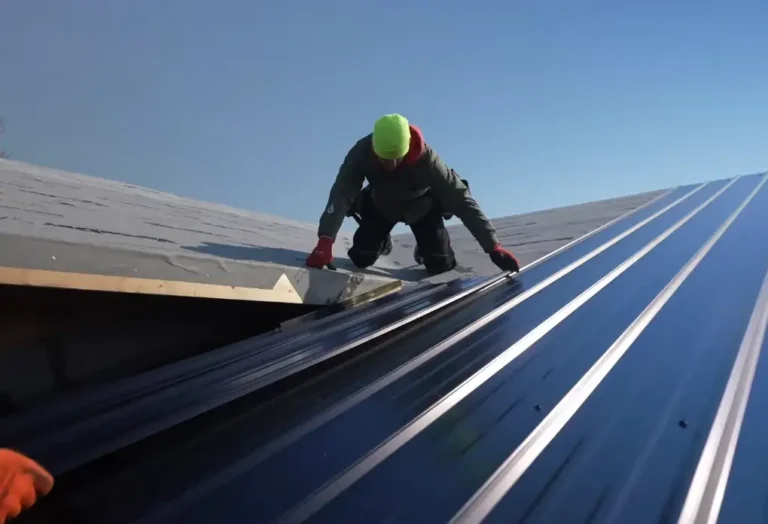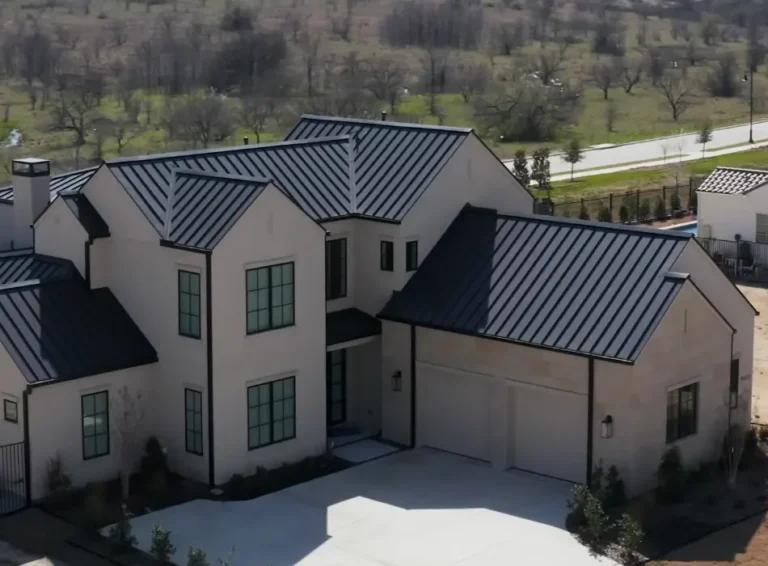

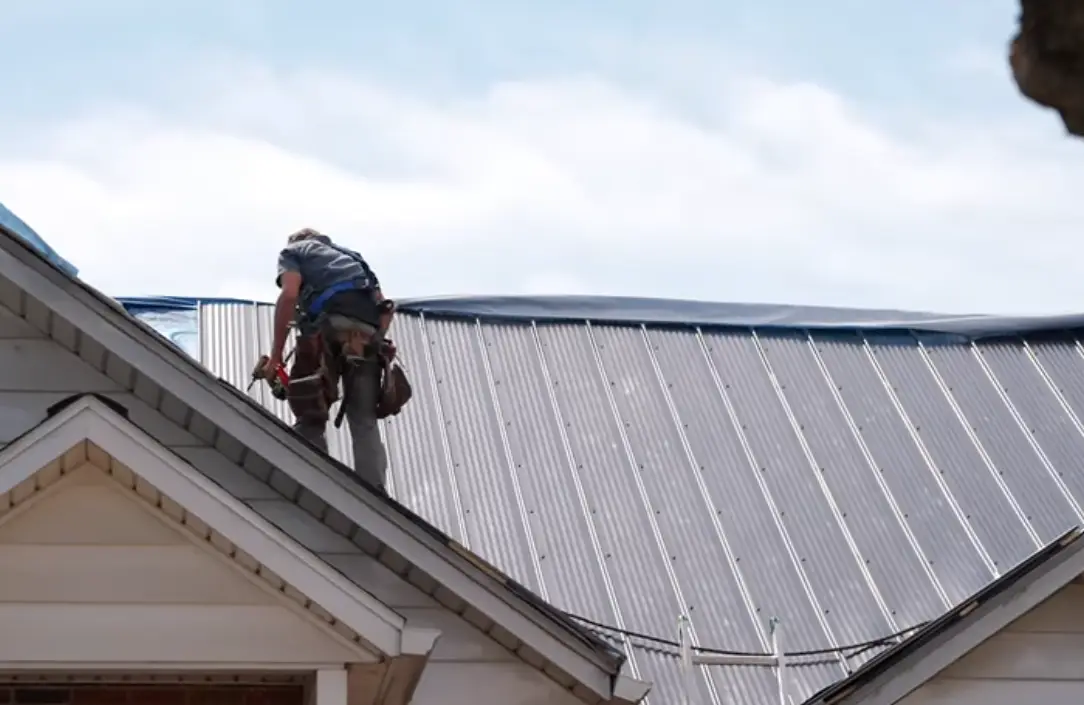
Older homes weren’t built with modern roofing materials in mind, and that shows up in real, practical ways once you start planning a metal roof installation. Irregular rooflines, decades of small additions and repairs, decking that may not match modern standards, and architectural character that a new roof needs to respect rather than override, all of this makes an older home a genuinely different project than a straightforward new-build installation.
This guide walks through what’s actually different, and what to watch for, if you’re considering metal roofing for a historic or older home in Austin. If you want a direct assessment for your specific property, Pecan Metal Roofs offers free inspections for homeowners across Austin, TX, including older homes in Hyde Park, Tarrytown, and similar neighborhoods.
Why Older Homes Genuinely Require a Different Approach
A newer home, particularly one built in the last few decades, tends to have a simpler, more predictable roofline, straightforward angles, consistent decking installed to current building standards, and no history of piecemeal additions or repairs. Many older Austin homes, especially those in established neighborhoods built across multiple decades of the twentieth century, don’t share these characteristics. This isn’t a flaw in the home, it’s simply a different starting point that changes several real decisions during a roofing project.
Irregular Rooflines Take More Skill, and More Time
Older homes, particularly those that have been added onto over the years, a converted porch, a rear addition, a dormer added decades after original construction, often have rooflines with more angles, transitions, and unusual junctions than a home built as a single, unified structure. Every additional valley, hip, or transition point requires more flashing detail and more precise panel fabrication to get right.
This matters specifically because flashing, not the flat panel surface, is where the overwhelming majority of roof leaks actually originate. A roofline with more transition points has more places where flashing needs to be done correctly, which is exactly why installation experience with irregular, older rooflines specifically matters more here than it would on a simple, single-plane new construction roof.
Decking Condition Is a Bigger Unknown on Older Homes
On any roof replacement, decking condition often can’t be fully assessed until the old roofing material is removed. This uncertainty is generally greater on older homes, where decking may be original to the structure, decades old, and potentially affected by past repairs, past leaks that were addressed on the surface without necessarily replacing affected decking underneath, or simply age-related wear that a newer home’s decking hasn’t yet accumulated.
This isn’t a reason to avoid metal roofing on an older home, it’s a reason to go in with realistic expectations about a decking repair allowance, and to work with a contractor who has a clear, written process for how discovered decking issues get communicated and approved, rather than treated as a surprise on the final invoice.
Matching a New Roof to a Home’s Existing Architectural Character
This is where older home roofing decisions differ most from new construction. A newer home’s roofing choice is largely a blank slate, matched to whatever style the home was designed around from the start. An older home already has an established architectural character, trim details, siding style, window proportions, that a new roof needs to complement rather than compete with or ignore.
Panel profile matters more here. A standing seam roof’s clean, modern vertical lines can look genuinely out of place on a home with traditional craftsman or bungalow style detailing, while the same roof would look intentional and appropriate on a contemporary build. For many older homes, particularly those with a traditional shingle or tile aesthetic already established through trim and architectural details, stone coated steel’s traditional appearance can be the more architecturally appropriate choice, delivering metal’s real durability without a visual departure from the home’s established character.
Color choice interacts with existing fixed elements. An older home’s brick color, existing trim paint, and any stone accents are typically much harder to change than a roof color. Starting from these existing, fixed elements when choosing a new roof color tends to produce a more cohesive result than choosing a roof color independently and hoping it works with everything else.
Chimney and Dormer Details Need Extra Attention
Older homes often have architectural features that newer, simpler rooflines don’t, working chimneys with genuine masonry construction, dormers with their own small roof sections, and sometimes decorative elements that need to be preserved or carefully worked around during a roofing project. Each of these features represents a genuine flashing challenge, and on an older home, the masonry or trim work around these features has often settled or shifted slightly over decades, which can affect how new flashing needs to be fitted and sealed.
This is worth discussing directly during your inspection, since a contractor experienced with older homes should be looking specifically at these details, not just the general roof plane, when assessing your project.
Foundation and Structural Settling Can Affect the Roofline
Older homes, particularly those built on Austin’s characteristic limestone and clay soils, sometimes show subtle structural settling over decades that can affect roofline alignment in ways a newer home typically hasn’t experienced yet. This doesn’t usually create a major problem for a roofing project, but it’s worth having assessed during your inspection, since a roofline that isn’t perfectly level or square in places requires panels and flashing to be fitted with more careful, custom attention than a straightforward, perfectly uniform new construction roof would need.
What This Means for Your Project Timeline
Given the additional flashing detail, the higher likelihood of a decking discovery during tear off, and the more involved fabrication that irregular rooflines require, it’s reasonable to expect an older home’s roofing project to take somewhat longer than a comparably sized new construction project. This isn’t a sign of a problem, it’s simply the realistic scope of the additional detail work involved. Building this expectation in from the start, rather than assuming an older home’s project will move at the same pace as a simpler new build, helps avoid unnecessary frustration during the process.
Historic Preservation Considerations, If Applicable
For homes with genuine historic designation, whether through a local historic district or another formal preservation status, roofing material and appearance changes may be subject to additional review beyond standard permitting. This is worth confirming directly if your home carries any historic designation, since the approval process and acceptable material and appearance options can differ meaningfully from a standard residential roofing project. If this applies to your home, raising it during your initial consultation lets your roofing contractor factor the additional documentation and approval timeline into your project planning from the start.
Why This Matters Specifically in Neighborhoods Like Hyde Park and Tarrytown
Austin’s older, established neighborhoods carry real architectural character that’s part of what makes them desirable places to live, a genuine mix of home styles, ages, and details built up over decades rather than a single, uniform development style. Homes in these areas commonly have the irregular rooflines, established fixed architectural elements, and sometimes the historic considerations discussed throughout this guide, which is exactly why a roofing decision here benefits from a contractor who has real experience specifically with older home projects, not just general roofing volume.
What to Look for in a Contractor for an Older Home Project
Given everything covered above, a few specific questions are worth asking any contractor you’re considering for an older home roofing project.
Do you have real experience with irregular, multi-angle rooflines specifically? This is different from general roofing experience, and it’s worth asking directly rather than assuming.
How do you handle decking issues discovered during tear off on an older home? A contractor who has done this work before should have a clear, established process to describe, not a vague general answer.
Can you walk me through how you’d approach the flashing detail around my specific chimney or dormer? A contractor genuinely comfortable with this kind of detail work should be able to discuss it specifically, using your actual roof’s features as the reference point, not a generic answer.
How do you think about color and profile matching for an older home’s existing character? This question reveals whether a contractor is thinking about your project as a design decision that respects your home’s existing architecture, or purely as a material installation without that consideration.
Insurance Considerations Specific to Older Homes
Older homes sometimes carry insurance considerations worth understanding before starting a roofing project. Some insurance carriers evaluate older homes differently than newer construction, occasionally requiring updated documentation of a home’s condition, including roof condition, to maintain or adjust coverage terms. A new metal roof, properly documented with permits and manufacturer warranty registration, can sometimes improve insurance terms on an older home specifically, since it directly addresses one of the factors carriers may have previously flagged as a risk on an aging structure.
It’s worth having a conversation with your insurance provider both before and after a roofing project on an older home, before to understand any documentation they may want as part of the process, and after to update your policy with the new roof’s installation date and specifications, which can sometimes lead to a premium adjustment reflecting the improved condition and durability of the new roofing material.
How This Affects Resale Value on an Older Home
A well executed metal roof replacement on an older home can be a genuine value-adding feature at resale, particularly when it’s done in a way that respects and complements the home’s existing architectural character rather than working against it. Buyers looking at older homes in established neighborhoods are often specifically drawn to the character and detail these properties offer, and a roofing choice that preserves that character while delivering modern durability tends to be viewed favorably, compared to a roofing choice that reads as visually disconnected from the rest of the home.
This is part of why the profile and color matching discussion covered earlier in this guide matters beyond pure aesthetic preference, it’s also a practical consideration for how the finished project will be perceived by a future buyer, whether that’s years down the road or sooner than currently planned.
A Realistic Planning Scenario for an Older Home Project
To make this more concrete, here’s how a typical older home roofing project might actually unfold, illustrating the practical differences discussed throughout this guide.
Initial inspection reveals a roofline with an original main structure, a rear addition built decades later with a slightly different roof pitch, and a working chimney with masonry that shows some age-related wear. This is a genuinely common pattern for older Austin homes.
Decking assessment during the inspection can identify visible areas of concern, but confirms that full decking condition, particularly in less accessible sections, will only be fully clear once the old roofing material is removed.
Design consultation works through panel profile and color options that complement the home’s existing brick and trim, potentially landing on stone coated steel specifically because the homeowner wants to preserve the property’s traditional character rather than introduce a more modern standing seam appearance.
Permitting proceeds through the standard City of Austin process, confirmed as not requiring additional historic review since the home doesn’t carry formal historic designation.
Installation takes somewhat longer than a comparable new construction project would, given the additional flashing detail required at the addition transition point and around the chimney, and a decking repair allowance is used for a small section discovered near the chimney once the old roofing is removed, communicated and approved before that specific work proceeds.
Final result delivers a roof that performs like modern metal roofing while reading, from the street, as consistent with the home’s established traditional character, exactly the outcome this kind of project is meant to achieve.
This scenario is illustrative, not a description of any specific real project, but it reflects the genuine pattern of considerations that come up repeatedly on older home roofing work in Austin’s established neighborhoods.
Frequently Asked Questions
Is metal roofing appropriate for a historic home, or does it look too modern? It depends entirely on the specific system chosen. Standing seam’s clean lines can look modern against traditional architecture, while stone coated steel’s shingle or tile appearance can complement a historic home’s existing character without looking like a departure from tradition.
Will replacing my roof on an older home require additional permits beyond a standard roofing permit? Generally not, unless your home carries a specific historic designation. Standard residential roofing permits through the City of Austin’s Development Services Department apply to most older home projects the same way they would to newer construction.
How much more should I expect to pay for a metal roof on an older home with a complex roofline? This varies by the specific roof’s complexity, but a more irregular roofline with more valleys, dormers, and transition points generally costs more than a simple, single-plane roof of similar total size, due to the additional flashing and fabrication work involved.
Can I keep my home’s existing chimney cap or decorative roof elements during a metal roof installation? In most cases, yes, existing features can typically be worked around and properly flashed rather than removed, though this is worth discussing specifically during your inspection for any unique architectural elements your home has.
Is it more likely that decking issues will be discovered on an older home compared to a newer one? Generally, yes, given the additional decades of exposure, past repairs, and potential past leak history that older decking has often accumulated. This is why a clear decking repair allowance and process matters more, not less, for an older home project.
Does an older home’s roof shape limit which metal roofing system I can choose? Not typically. Most metal roofing systems, standing seam, corrugated, and stone coated steel, can be adapted to complex rooflines, though the fabrication and installation approach may need more customization for an irregular older roofline than a simple new construction roof would require.
Should I get my home’s structural condition assessed before a roofing project if I suspect some settling over the years? If you have specific concerns about visible settling or roofline irregularity, mentioning this during your roofing inspection is worthwhile, since your contractor can factor it into the installation approach, though a separate structural engineering assessment is generally only necessary for more significant concerns beyond typical, minor settling common in older homes.
Will a new roof on my older home affect my homeowner’s insurance rates? Often favorably, since a documented, permitted new roof addresses age-related risk factors some carriers consider on older homes. It’s worth discussing directly with your insurance provider both before and after the project.
The Honest Bottom Line
Metal roofing works well on older homes, but the project itself genuinely differs from a straightforward new construction installation, more flashing detail, more uncertainty about decking condition until tear off, and real decisions about how a new roof should complement rather than override a home’s established architectural character. None of this is a reason to avoid metal roofing on an older Austin home, it’s simply worth going into the process with realistic expectations and a contractor who has genuine experience with this specific kind of project.
If you’re considering a metal roof for an older or historic home, residential metal roofing Austin homeowners trust for honest, experienced guidance starts with a real inspection of your specific property, not a generic assumption based on a newer home’s simpler roofline.
Call (737) 243-8241 for a free inspection and a written estimate.