
Austin doesn’t really have one roofing season, it has several distinct challenges that show up at different times of year, each with its own specific maintenance focus. Cedar pollen in winter. Live oak debris and sap in spring. Hail season through spring and summer. Extended, intense heat through the warmer months. A single generic “check your roof once a year” recommendation misses the specific, seasonal nature of what Central Texas actually puts a roof through.
This guide breaks maintenance down by season, so you know exactly what to focus on and when. If any of these checks reveal something worth a closer look, Pecan Metal Roofs offers maintenance inspections for homeowners across Austin, TX.
Why a Seasonal Approach Actually Makes Sense Here
Most general roofing maintenance advice is written for a generic climate, one with a fairly uniform set of conditions year round. Austin isn’t that. The specific things worth checking in January, cedar pollen buildup, differ meaningfully from what’s worth checking in June, active hail season and extreme heat. Organizing maintenance around the actual seasonal pattern here means you’re checking for the right things at the right time, not running through the same generic checklist regardless of what season it actually is.
Winter, December Through February
Winter in Austin is mild compared to much of the country, but it brings its own specific maintenance focus.
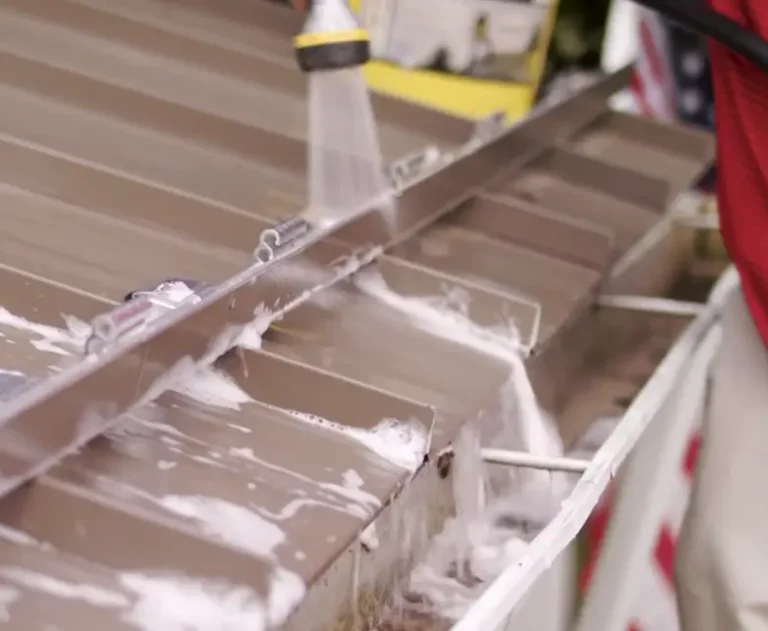
Check for cedar pollen buildup on the roof and in gutters. Cedar pollen season typically runs through winter, and the fine yellow dust it produces can accumulate in gutters and roof valleys, contributing to clogs that affect drainage. A general visual check and gutter clearing during this period helps prevent buildup from becoming a bigger issue once spring rains arrive.
Inspect for any damage from the occasional hard freeze. While rare, Austin does occasionally see freezing temperatures, and rapid temperature swings between a cold snap and a warmer day can stress fasteners and sealant, worth a quick visual check after any unusually cold period.
Confirm attic ventilation isn’t trapping excess moisture during cooler, damper days. Winter humidity, combined with less consistent attic airflow on cooler days, can occasionally create condensation issues worth checking for during this season specifically.
Schedule your first of two annual professional inspections. Late winter, ahead of hail season, is a natural time to schedule a thorough professional check, catching any issues before the more storm-active months begin.
Spring, March Through May
Spring brings live oak debris, the start of hail season, and Austin’s most active storm period.
Clear live oak debris and sap regularly. Live oaks drop leaves and debris more heavily in spring than most trees, since they’re evergreen and shed on their own schedule rather than in fall like deciduous trees. This debris, along with any sap, needs more frequent clearing during this period than other times of year.
Check gutters and downspouts after each significant storm, not just periodically. Spring’s more frequent rain events mean debris and drainage issues can develop faster during this season than during drier months.
Inspect for hail damage after any significant storm. This is genuinely the most important spring task. Texas averages more hailstorms than any other state, and Austin specifically sees a real concentration of storm activity during spring and into early summer. Even if damage isn’t visible from the ground, a post-storm check, especially after any storm producing hail reported in your area, is worth doing.
Document any storm damage with photos immediately. If a storm does cause damage, whether or not you plan to file an insurance claim right away, photographing the damage as soon as possible after the event creates a dated record that can matter later, even if you decide to address it independently at first.
Verify fastener and sealant condition ahead of the most active storm months. If your professional inspection wasn’t done in late winter, spring is the next best window, since it gets ahead of the season when your roof will be tested most.
Summer, June Through August
Summer means continued hail risk through early summer, combined with Austin’s most intense heat.
Continue checking for hail damage after any significant storm through early summer. While hail activity typically concentrates more heavily in spring, summer storms can still produce damaging hail, and the same post-storm check habit from spring should continue.
Monitor for signs of heat-related coating stress. Extended exposure to intense summer heat is when coating wear and oil canning are most likely to become visible, if they’re going to appear at all. A visual check during this period can catch early signs of coating degradation.
Check attic temperature and ventilation performance. Summer is when attic ventilation matters most, since a poorly ventilated attic during peak heat can affect both roof material longevity and home energy efficiency. If your attic feels excessively hot even accounting for normal summer conditions, it’s worth having ventilation assessed.
Keep gutters clear of any accumulated debris from spring. While live oak shedding slows during summer, any debris that accumulated during spring should be fully cleared before the season progresses, since standing debris in summer heat can contribute to odor and pest issues beyond just drainage concerns.
Watch for any signs of pest activity in the attic. Summer heat can drive pests to seek attic access more actively, and any evidence of new activity is worth investigating, since gaps large enough for pests can also be points where water can enter.
Fall, September Through November
Fall in Austin is typically calmer weather-wise, making it a good window for addressing anything found during the more active months, and for preparing for winter.
Address any issues identified during spring and summer checks that weren’t urgent enough for immediate attention. Fall’s calmer weather pattern makes it a practical time to schedule non-urgent repairs identified earlier in the year.
Schedule your second of two annual professional inspections. Fall, after the most active storm season has passed, is the ideal time for your second thorough professional check of the year, confirming the roof held up well through spring and summer and catching anything that developed during that period.
Clear any remaining debris before winter. While live oak shedding is heaviest in spring, a fall clearing ensures gutters and valleys enter winter clear, rather than carrying accumulated debris into the cedar pollen season ahead.
Check flashing and sealant condition one more time before the cooler months. This gives you a clean baseline heading into winter, and catches anything that developed from summer heat stress before colder weather adds another layer of thermal cycling.
A Quick Reference Version
For a fast, at-a-glance summary, here’s the core seasonal focus in one place.
Winter: Cedar pollen and gutter clearing, freeze damage check, first annual professional inspection.
Spring: Live oak debris clearing, post-storm hail checks, storm damage documentation, second inspection if not done in winter.
Summer: Continued post-storm checks through early summer, coating and oil canning check, attic ventilation performance, pest activity check.
Fall: Address non-urgent issues found earlier in the year, second annual professional inspection, final debris clearing and sealant check before winter.
What You Can Reasonably Check Yourself, By Season
Across all four seasons, a few tasks are reasonably within a homeowner’s own capability, gutter and debris clearing, a basic attic flashlight check for daylight or staining, and general visual observation from the ground after a storm. Anything involving actually walking the roof surface, checking fastener tightness, or assessing hail damage in detail is better left to a professional visit, given both the safety considerations and the experience needed to distinguish a minor cosmetic issue from something worth addressing.
Why Two Professional Inspections a Year Specifically
The twice yearly standard recommended throughout this guide, roughly once before the most active storm season and once after, isn’t an arbitrary number. It’s built around Austin’s actual seasonal pattern, catching issues before the season most likely to cause new damage, and catching anything that did develop once that season has passed. A single annual inspection risks either missing pre-storm-season preparation or waiting too long after storm season to catch damage before it compounds.
A Printable, Room-by-Room Style Checklist Format
For homeowners who prefer a literal checklist to work through rather than narrative guidance, here’s the same seasonal information organized as direct action items you can print or save.
Winter checklist:
- [ ] Clear cedar pollen buildup from gutters and roof valleys
- [ ] Visual check for freeze-related stress after any hard cold snap
- [ ] Check attic for condensation on cooler, humid days
- [ ] Schedule professional inspection number one for the year
Spring checklist:
- [ ] Clear live oak debris and sap regularly, more often than other seasons
- [ ] Check gutters and downspouts after every significant storm
- [ ] Inspect for hail damage after any storm event
- [ ] Photograph any storm damage immediately, dated
- [ ] Schedule professional inspection if not completed in winter
Summer checklist:
- [ ] Continue post-storm hail checks through early summer
- [ ] Visual check for coating stress or oil canning
- [ ] Assess attic temperature and ventilation performance
- [ ] Clear any remaining spring debris fully
- [ ] Check attic for new pest activity
Fall checklist:
- [ ] Address any non-urgent issues identified earlier in the year
- [ ] Schedule professional inspection number two for the year
- [ ] Final debris clearing before winter
- [ ] Final flashing and sealant check before cooler weather
This format works well saved to your phone or printed and kept somewhere accessible, since checking off actual items tends to be more effective than trying to remember a general seasonal approach from memory alone.
How Seasonal Maintenance Connects to Your Warranty
Beyond simply extending your roof’s practical lifespan, documented seasonal maintenance can matter for a more specific reason, warranty compliance. Many metal roofing manufacturers include maintenance requirements in their warranty terms, and a documented history of regular checks, particularly professional ones with written reports, can be exactly the kind of evidence needed if a warranty claim ever becomes necessary.
This is worth keeping in mind as a practical reason to maintain records of your own seasonal checks alongside any professional inspection reports, not just for your own reference, but as a real record that could matter later if a manufacturer ever needs proof that maintenance requirements were genuinely met.
How This Connects to Insurance Documentation Too
The spring and summer storm-focused portions of this checklist serve a second purpose beyond routine maintenance. Photographing and dating any storm damage as soon as it’s noticed, even if you’re not immediately filing a claim, builds exactly the kind of documentation that strengthens an insurance claim later, whether filed right away or discovered during a subsequent inspection. This is particularly relevant for hail damage on metal roofing specifically, since cosmetic damage that doesn’t cause an immediate leak can sometimes go unaddressed for a while, and having a dated record from when it actually occurred matters if a claim question comes up down the line.
Adjusting This Checklist for Your Specific Property
While this guide reflects Austin’s general seasonal pattern, a few property-specific factors can shift the emphasis. Homes with heavy tree cover, particularly mature live oaks, may need more frequent debris clearing than this general guide suggests. Properties in neighborhoods with a documented history of significant hail impact may benefit from more frequent post-storm checks than the general recommendation. And commercial properties, given their typically larger roof area and additional rooftop equipment, often benefit from a formal scheduled maintenance program rather than relying primarily on a homeowner-style seasonal checklist.
Frequently Asked Questions
Do I really need to think about maintenance differently across seasons, or is a general yearly check enough? A seasonal approach genuinely catches more, since the specific risks, cedar pollen, live oak debris, hail, extreme heat, each concentrate at different times of year. A single generic annual check can miss timing-specific issues that a seasonally aware approach catches.
What’s the most important season to focus on if I can only do one thorough check a year? Late winter or early spring, ahead of Austin’s most active hail season, since this timing catches issues before the period most likely to cause new damage.
How often should gutters actually be cleared given Austin’s tree cover? More frequently than a general national recommendation would suggest, given live oak’s spring shedding pattern and cedar pollen in winter. Checking every season, rather than just once a year, better matches Austin’s actual debris pattern.
Is it worth documenting storm damage even if I don’t plan to file an insurance claim right away? Yes. Dated photos taken soon after a storm create a record that can matter later, even if your initial plan is to monitor rather than immediately file a claim or schedule repair.
Can I combine my seasonal self-checks with the professional inspections, or should they be separate? They work well together. Your own seasonal awareness, gutter clearing, basic attic checks, post-storm observation, complements the more thorough professional visits rather than replacing them, and can help you flag specific concerns for your professional inspector to focus on.
Does this seasonal approach apply the same way to a commercial property? The same seasonal risks apply, though commercial properties often benefit from a scheduled maintenance program with documented visits at set intervals, given the larger scale and additional rooftop equipment involved, rather than relying primarily on homeowner-style self-checks between professional visits.
Should I adjust this checklist if I don’t have much tree cover on my property? Yes, to some degree. Homes with less tree cover typically deal with less debris-related maintenance need, though hail, heat, and general seasonal storm patterns still apply regardless of tree cover, so the storm-related portions of this checklist remain just as relevant.
What’s the single most commonly skipped item on this checklist? Post-storm documentation tends to be the most commonly skipped step, since it’s easy to notice storm damage, decide to deal with it “eventually,” and never actually take dated photos close to when the event occurred, which is exactly the detail that matters most if a dispute or claim question comes up later.
The Honest Bottom Line
Austin’s climate isn’t one uniform set of conditions, it’s a rotating set of specific challenges throughout the year, and matching your maintenance habits to that actual pattern catches more than a generic, one-size-fits-all approach ever will. Cedar pollen in winter, live oak debris in spring, hail through spring and early summer, intense heat through summer, each deserves its own specific attention rather than being lumped into one annual check.
If you want a professional set of eyes on your roof timed to Austin’s actual seasonal pattern, metal roof maintenance Austin homeowners rely on starts with scheduling your first, or next, seasonal inspection.
Call (737) 243-8241 to schedule a maintenance inspection.