
It’s a fair question, and one worth answering honestly rather than dismissing. If metal roofing genuinely outperforms asphalt in durability, energy efficiency, and lifespan, why does it sometimes feel like a material reserved for barns, warehouses, and budget builds rather than the kind of high end homes featured in architecture magazines?
The short answer is that the premise itself is outdated. Metal roofing is increasingly common on expensive homes, it’s just often not recognized as metal by the people looking at it. The confusion comes from a few real, specific reasons, and understanding them actually explains a lot about how to think about metal roofing for your own home, regardless of budget.
If you’re weighing metal roofing for your Austin property and want a straight answer about what fits your home and budget, Pecan Metal Roofs offers free inspections and honest advice for homeowners across the city.
Reason One, The Corrugated Panel Stereotype Is Doing a Lot of Damage
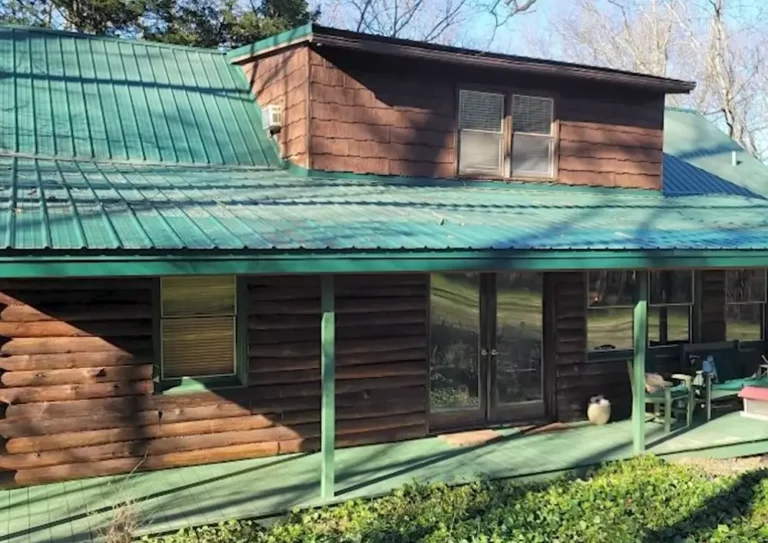
When most people picture “metal roofing,” they picture corrugated exposed fastener panels, the kind commonly used on barns, workshops, and utility buildings. That’s a real, valid metal roofing system, but it’s the most budget oriented option within the category, not representative of metal roofing as a whole.
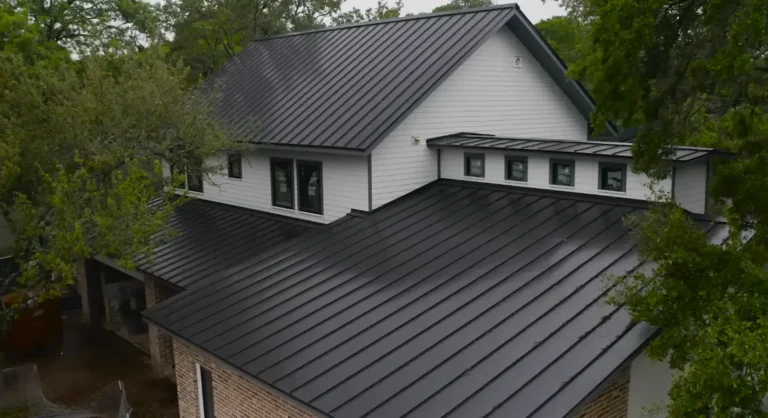
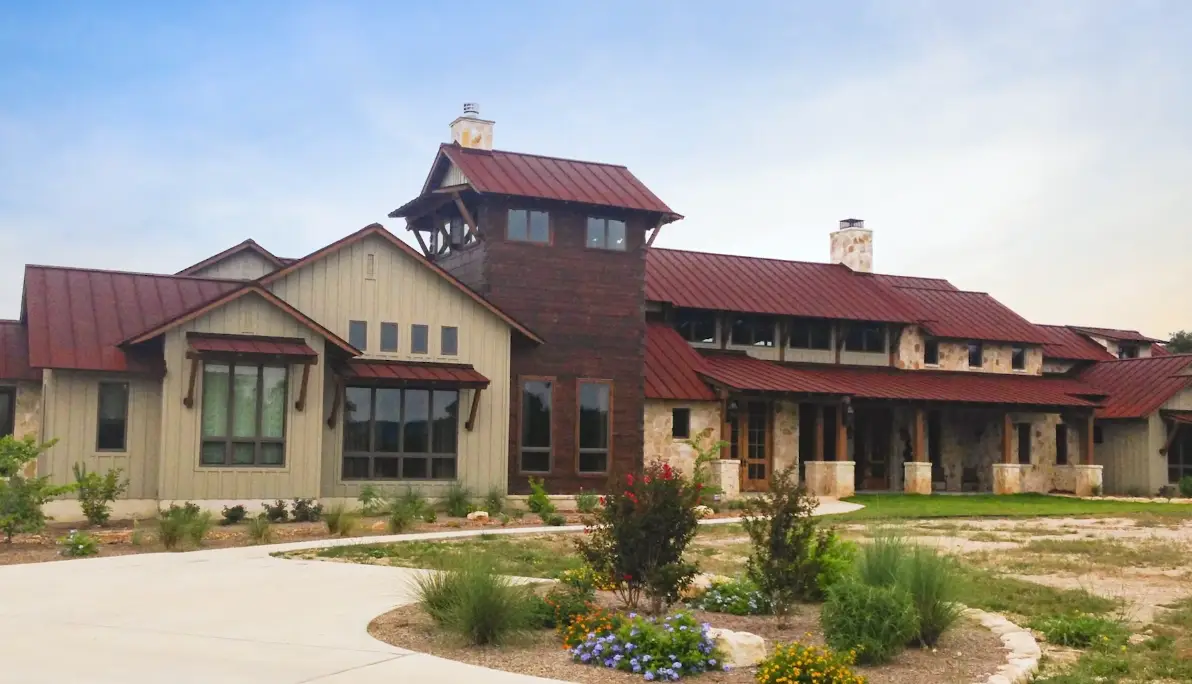
Standing seam metal roofing looks nothing like a corrugated barn roof. It has clean, continuous vertical lines, no visible fasteners, and a sleek, architecturally deliberate appearance that reads as modern and refined rather than utilitarian. A lot of homeowners who say they “don’t like the look of metal roofing” have a corrugated panel in mind, not standing seam, and haven’t realized the two look almost nothing alike from the street.
This matters because the entire premise behind “why don’t expensive homes have metal roofs” often rests on a mental image that doesn’t match what’s actually being installed on higher end properties.
Reason Two, Premium Metal Roofing Materials Exist, and They’re Genuinely Expensive
Here’s something that surprises a lot of people, some of the most expensive roofing materials available on the market today are metal.
Copper roofing is widely considered a top tier luxury roofing choice, commonly running in a similar or higher price range than premium slate or clay tile. Copper develops a distinctive natural patina over years, shifting from a bright metallic tone to a soft, muted green as it weathers, a look that many architects and homeowners specifically seek out for historic renovations and high end custom builds. Copper has been used on churches, civic buildings, and estate homes for centuries, not because it was cheap, but because it lasts an extraordinarily long time and ages in a way few other materials can match.
Zinc roofing sits in a similar premium category, offering excellent corrosion resistance, a distinctive matte gray appearance, and a lifespan that can reach a century with proper installation. Like copper, zinc develops its own protective patina over time.
Even standing seam steel, the more accessible end of the metal roofing spectrum, is frequently specified on custom architectural homes specifically for its clean, minimalist lines, which pair well with contemporary design in a way a shingle roof simply can’t replicate.
None of these are budget materials. If anything, the actual cost hierarchy runs in the opposite direction from what the original question assumes, with copper and zinc roofing often costing considerably more per square foot than standard asphalt shingles or even standard steel panels.
Reason Three, Regional Architectural Norms Play a Bigger Role Than Roofing Performance
In some markets and some architectural styles, particularly Mediterranean, Spanish colonial, and certain traditional estate designs, clay tile or natural slate has been the historical default, not because metal performs worse, but because those materials matched the intended architectural style. A luxury home built to evoke a specific historical or regional aesthetic will often specify the roofing material that matches that aesthetic, regardless of how well metal might perform in the same climate.
This is a design choice, not a performance judgment. It explains why certain expensive homes in certain neighborhoods or architectural styles skew toward tile or slate, without that pattern saying anything meaningful about whether metal roofing is a lesser material.
Reason Four, HOA and Neighborhood Design Guidelines Sometimes Restrict Appearance, Not Performance
Some higher end, established neighborhoods have homeowners association design guidelines that specify a particular roofing appearance, often tied to matching the existing architectural character of the community. In some of these communities, a shingle or tile appearance is required regardless of the underlying material’s actual performance characteristics.
This is exactly why stone coated steel panels exist as a category. They deliver the actual performance of metal roofing, impact resistance, long lifespan, low maintenance, while presenting an appearance that satisfies design guidelines requiring a traditional shingle or tile look. A homeowner in a design restricted community isn’t necessarily choosing against metal roofing on the merits, they’re often choosing a metal system engineered specifically to satisfy an aesthetic requirement while still delivering metal’s real advantages underneath.
Reason Five, Perception Lags Behind Reality
Roofing materials carry decades of accumulated cultural association, and those associations change slowly, even after the underlying reality shifts. Corrugated tin roofing on rural buildings created a lasting mental link between “metal roof” and “utilitarian, low cost structure” that has taken a long time to fade, even as standing seam, zinc, and copper systems have become genuinely common on architecturally significant and high value homes.
This is a pattern that shows up with plenty of other materials too. Vinyl siding carried a similar reputation gap for years even after manufacturing quality improved considerably. Perception is often the last thing to catch up to an actual shift in a product category.
What This Actually Means for Your Decision
None of this is meant to suggest you need copper or zinc roofing to get a genuinely premium result. Standing seam steel, properly installed with a quality coating system, delivers the clean, architecturally refined look people associate with higher end homes, at a fraction of copper’s cost, while still outperforming asphalt shingles significantly on lifespan and durability.
The actual takeaway is this. If you’ve hesitated on metal roofing because you’re picturing a corrugated barn panel, it’s worth looking specifically at standing seam or stone coated steel options before ruling metal out based on appearance. The material category is broader, and more architecturally versatile, than the “cheap tin roof” stereotype suggests.
A More Useful Question Than “Do Expensive Homes Have Metal Roofs”
A more useful question for your own decision is simply this. Does the specific metal roofing system you’re considering fit the architectural style of your home?
Standing seam suits modern, contemporary, and clean lined architectural styles particularly well, with its minimalist vertical profile.
Corrugated panels fit rustic, farmhouse, and ranch style properties, where a more traditional, textured appearance is part of the intended look.
Stone coated steel works well on homes built in a traditional shingle or tile aesthetic, including many homes in HOA restricted communities with specific design requirements.
Copper or zinc suits historic restorations, custom architectural builds, and homeowners specifically seeking the distinctive patina and long term character these premium materials develop.
The question isn’t whether metal roofing belongs on an expensive home in the abstract. It’s whether the specific system matches the specific home’s architectural intent, the same consideration that applies to literally any roofing material, metal or otherwise.
Real Cost Data, By Material Tier
To put actual numbers behind this discussion, here’s roughly how metal roofing options compare on cost per square foot installed, based on current industry data.
| Material | Approximate Cost Per Square Foot Installed | Typical Lifespan |
|---|---|---|
| Steel, exposed fastener | 9 to 13 dollars | 30 to 40 years |
| Steel, standing seam | 14 to 18 dollars | 40 to 60 years |
| Aluminum | 14 to 20 dollars | 40 to 70 years |
| Zinc | 19 to 27 dollars | 50 to 100 years |
| Copper | 22 to 32 dollars | 100 years or more |
Notice that the two most expensive materials on this list, zinc and copper, are both metal. If cost alone signaled prestige or luxury, metal roofing would already have a strong claim to that association at the premium end of the category.
Why This Matters for Austin Homeowners Specifically
Austin’s mix of architectural styles, from modern minimalist builds in newer neighborhoods to historic homes in areas like Hyde Park and Tarrytown, means the “right” metal roofing choice varies considerably by property. A newer, architecturally contemporary home in a neighborhood like Circle C Ranch or Westlake Hills is often a strong natural fit for standing seam’s clean lines. An older home with more traditional detailing might be better served by stone coated steel, which can match the existing character of the neighborhood while still delivering metal’s real performance benefits against Central Texas hail and heat.
None of this depends on home value or neighborhood prestige. It depends on architectural fit, which is exactly the conversation worth having with a contractor who specializes in metal roofing specifically, rather than one general answer applied to every home regardless of style.
A Brief History of Metal on Prestigious Buildings
Metal roofing on significant, high value structures is not a new trend. Copper roofing in particular has a long documented history on churches, government buildings, and estate homes across Europe and North America, chosen specifically because of its longevity and its distinctive weathering process, not despite those qualities. Many historic civic buildings and cathedrals still standing today with their original copper roofing intact are well past a century old, a track record asphalt shingles simply cannot claim.
This history matters because it undercuts the idea that metal roofing is a modern budget substitute for “real” luxury materials. In many cases, metal roofing predates asphalt shingles as a premium building material by a significant margin. Asphalt shingles became dominant in the twentieth century largely because of low cost and ease of mass production, not because they outperformed the metal and slate roofing they gradually replaced on more modest homes.
What Living With a Premium Metal Roof Actually Looks Like Over Time
One thing that sets copper and zinc apart from steel is how visibly they change over the years, and it’s worth understanding this before choosing either material.
A new copper roof starts out with a bright, shiny, penny like appearance. Over the following several years, exposure to air and moisture causes it to darken to a brown tone, and eventually, often over one to two decades depending on climate and exposure, it develops the well known green patina copper roofing is famous for. This is not deterioration, it’s a protective oxide layer that actually shields the metal underneath from further corrosion, meaning the patina itself is part of what gives copper its exceptional lifespan.
Zinc follows a similar but distinct path, developing a matte gray patina that also serves a protective function. Homeowners choosing either material should go in expecting this visual evolution, since a copper roof installed today will look meaningfully different in five years, and different again in twenty, than it does on installation day. For homeowners who want a roof that looks identical on day one and year fifty, standing seam steel with a factory applied coating is a more predictable choice, since it’s engineered to hold a consistent color and finish over its service life rather than transform visually.
Neither approach is better in an absolute sense. It depends entirely on whether you want a roof that ages and develops character, or one that maintains a consistent, unchanging appearance.
Insurance and Resale Considerations for Higher Value Homes
For homeowners weighing a significant roofing investment, it’s worth understanding how the choice can affect two practical factors beyond aesthetics.
Many insurance carriers view metal roofing favorably due to its impact resistance and fire rating, and some offer premium discounts as a result, regardless of whether the specific metal chosen is steel, zinc, or copper. This is a real, practical benefit that applies across the metal roofing category, not just to premium tiers.
On resale, a well chosen, well installed metal roof, matched appropriately to the home’s architectural style, is generally viewed as a value adding feature rather than a liability, particularly in a hail prone market like Central Texas where buyers are increasingly aware of the real cost difference between metal and asphalt over a home’s ownership timeline. This holds true whether the home in question is a modest starter property or a significant, architecturally distinct build.
Other Myths That Reinforce the Same Stereotype
The “metal roofs aren’t for expensive homes” perception doesn’t exist in isolation. It’s usually bundled with a few related myths that, once you look at them closely, all trace back to the same outdated mental image of a corrugated tin roof on a barn or shed.
The noise myth. A common assumption is that metal roofing is loud during rain, evoking the sound of rain on an old, undecked barn roof. A properly installed metal roof, over solid decking and synthetic underlayment the same way any other roofing material would be installed, performs similarly to asphalt in terms of interior noise during rain. The loud tin roof association comes specifically from older, simpler agricultural structures where metal panels were fastened directly to open rafters with no decking or insulation underneath at all, a completely different installation method than what’s used on a modern home.
The lightning myth. Some homeowners assume metal roofing attracts lightning strikes. It doesn’t. Lightning is drawn to the tallest point in an area regardless of material, and if a strike does occur, a metal roof is actually safer than most alternatives, since it’s non combustible and disperses electrical current across its surface rather than allowing it to ignite the structure.
The heat myth. There’s a persistent assumption that metal roofing makes a house hotter, again likely rooted in the image of an unshaded metal shed baking in direct sun with no insulation. In practice, a properly coated metal roof on an insulated, decked residential structure reflects a substantial share of solar heat rather than absorbing it, which is precisely why it performs so well against Central Texas summers.
Each of these myths shares the same root cause as the “not for expensive homes” perception, an outdated mental model built around the simplest, least insulated, least refined version of metal roofing, applied broadly to a material category that has moved considerably beyond that image.
Frequently Asked Questions
Does copper roofing require special maintenance? Copper generally requires very little maintenance beyond periodic inspection, since its natural patina is self protecting rather than something that needs to be reapplied or maintained like a painted finish.
How long does it take for copper roofing to develop its green patina? This varies by climate and exposure, but it typically takes somewhere between one and two decades for copper to fully develop the recognizable green patina, passing through a darker brown stage first.
Is standing seam considered a premium roofing choice? Yes, standing seam is widely regarded as a premium, architecturally deliberate roofing choice, particularly compared to exposed fastener panel systems, even though it costs less than copper or zinc.
Can stone coated steel satisfy HOA design requirements that call for a traditional roof appearance? In many cases, yes. Stone coated steel is specifically designed to replicate the appearance of shingle or tile roofing while delivering the underlying performance benefits of metal, which is why it’s a common choice in design restricted communities.
Is it worth paying more for zinc or copper instead of standard steel? That depends on your priorities. If a distinctive, evolving appearance and an extremely long service life matter to you, zinc or copper can be worth the premium. If you want strong performance at a more moderate cost, standing seam steel delivers excellent durability and a clean, modern look without the higher price tag of the premium metals.
The Honest Bottom Line
The premise behind this question, that metal roofing doesn’t belong on expensive homes, doesn’t hold up against the actual data. Some of the most expensive roofing materials on the market are metal. Architecturally significant homes across the country use standing seam, zinc, and copper roofing specifically for their appearance, not despite it.
What’s actually true is that certain metal roofing systems, particularly basic corrugated panels, carry a strong cultural association with utilitarian buildings, and that association shapes perception more than it reflects the material’s actual range or capability. Once you look past that specific system to the full category, standing seam, stone coated steel, zinc, and copper, the idea that metal roofing is somehow incompatible with a high value home falls apart pretty quickly.
If you’re trying to figure out which metal roofing system actually fits your home’s style and your budget, that’s exactly the kind of conversation worth having directly, rather than ruling out an entire material category based on one specific panel type.
Pecan Metal Roofs provides free, no pressure inspections for homeowners across Austin, including Zilker, Hyde Park, Circle C Ranch, Westlake Hills, and the surrounding area. If you’re comparing metal roofing Austin options for your home, we’ll walk your roof, talk through which system actually fits your home’s architecture, and give you a written estimate, no pressure to choose the most expensive option, just an honest answer about what makes sense for your property.
Call (737) 243-8241 for a free inspection and a written estimate.